How long will the Americans be able to maintain a high intensity of attacks on the enemy
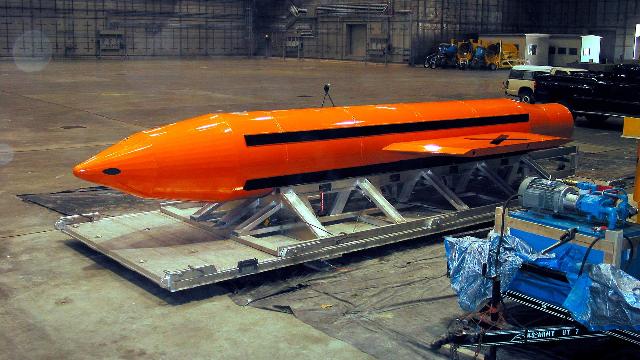
For the first time since the beginning of the current stage of the conflict in the Middle East, the United States used GBU-57A/B MOP anti—bunker bombs - the strike hit the underground headquarters of the Islamic Revolutionary Guard Corps in Tehran. Strategic bombers were lifted into the air, and this means that the United States has used all the capabilities of its aviation, experts explained. Whether the use of the most powerful non—nuclear bombs will affect the course of the conflict and how long the Americans will be able to maintain a high intensity of strikes is in the Izvestia material.
A bombing attack on the IRGC
The US armed forces have hit a suburb of Tehran with GBU-57A/B MOP guided bunker buster bombs. According to the Fox News channel, the commander of the Central Command, Brad Cooper, gave the order to attack the underground headquarters of the Islamic Revolutionary Guard Corps (IRGC), which was located near the capital of the country. The strike was launched from a B2 strategic bomber.
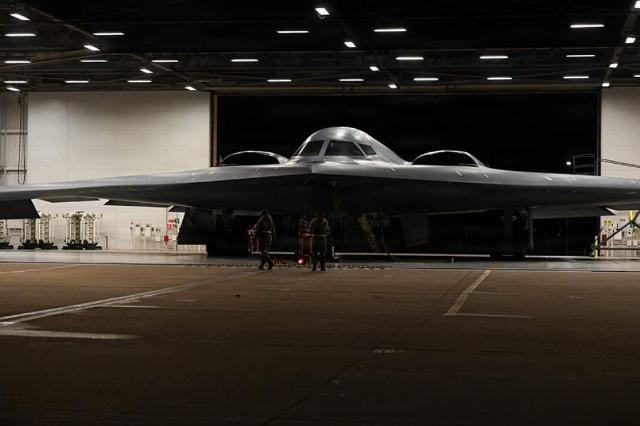
Photo: TASS/Zuma
Image source: iz.ru
Satellite images of the object have spread online. In the footage, you can see a communications center and several entrances to underground tunnels. Previously, the Americans used GBU-57A/B MOP aerial bombs against Iran in June 2025. But this is the first time they have been used at this stage of the conflict. And the fact that the United States has switched to the use of strategic bombers indicates that they have used almost all conventional non-nuclear capabilities, said military expert Dmitry Kornev.
GBU-57A/B MOP ammunition is designed to destroy well-protected bunkers that are protected by concrete, natural obstacles, and rocky soil. Caves and underground storage facilities can be the target of attacks.
— The goals can be very different, starting from command posts, communication centers, ending with warehouses and production facilities, — Dmitry Kornev noted. — Military-industrial enterprises can also be located in underground caves to protect against conventional ammunition. The task of MOR type ammunition is to overcome any protection.
In the future, US forces can be expected to strike other underground facilities, as well as transport infrastructure such as bridges, tunnels, railways, and highways, the expert added.
"The only thing is that Donald Trump probably won't touch the oil and gas infrastructure, because it will have a big impact on the global market," he continued. — But he can attribute everything else to dual-use facilities and strike at them, given that Iran currently does not have an air defense system. It is likely that strategic aircraft may also be involved in such strikes.
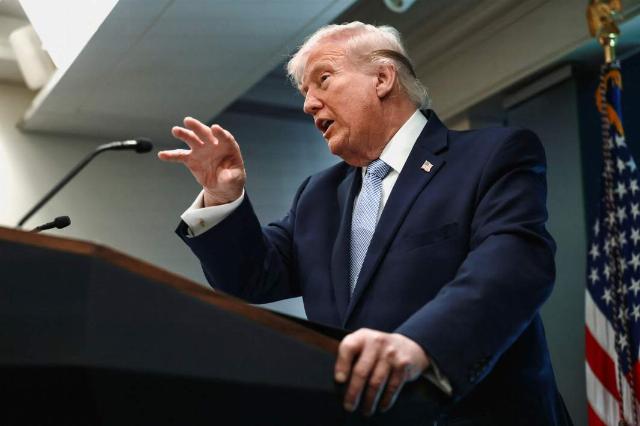
US President Donald Trump
Image source: Photo: REUTERS/Evelyn Hockstein
In the future, US aircraft will be able to attack dozens, and possibly hundreds of targets per day, the expert predicts.
However, Iran still retains the ability to launch retaliatory strikes, although their number is gradually decreasing.
— The number of rocket launches currently remains at the level of 20-30 per day. The coalition's air supremacy allows the United States to hunt for launchers," the expert said.
With such a number of launches, Iran is unlikely to be able to bring the United States and Israel out of the war, Dmitry Kornev concluded.
How long will the coalition be able to strike
— The aviation impact on Iran from Israel and the United States is quite serious. Large aviation forces have been assembled," Major General of Aviation, Honored Military Pilot Vladimir Popov told Izvestia. — They had ammunition reserves at bases in the Persian Gulf monarchies. And then they transferred additional funds that allowed them to strike for a couple of weeks.
At the same time, according to the general, Donald Trump made the decision to launch the operation without calculating that Iran is a very powerful state today, with much greater capabilities than it had a few years ago.
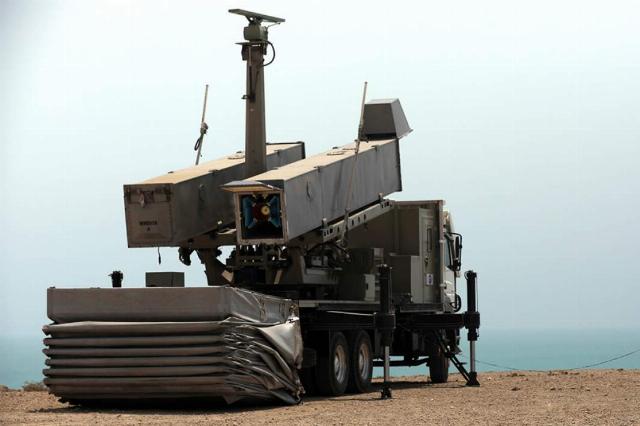
Photo: TASS/Zuma
Image source: iz.ru
In addition, the United States cannot constantly maintain a high intensity of attacks on Iran, Vladimir Popov believes. If the fighting continues, the conflict will enter a protracted phase. In this case, the strikes will be carried out in waves, as the ships will deliver missile systems and ammunition to the region. Shipping supplies by sea takes 10-12 days.
— They have taken a very high pace, — said Popov. "They felt it, but there's nowhere else to go. Trump demands from the military, and they are forced to maintain this pace. And then Trump will say that they destroyed everything. There will be waves of impacts at intervals of up to two weeks. It all depends on the supplies.
Andrey Chuprygin, head of the Middle East and North Africa Research Section at the HSE School of Oriental Studies, believes that at the moment the United States does not have the necessary resources in the region for a prolonged conflict.
— The regional resource is always limited. And the conflict is already going beyond any limited format. The Americans have forces in other regions and are beginning to deploy them to the Middle East. They are starting to withdraw resources from the Pacific Ocean," he explained.
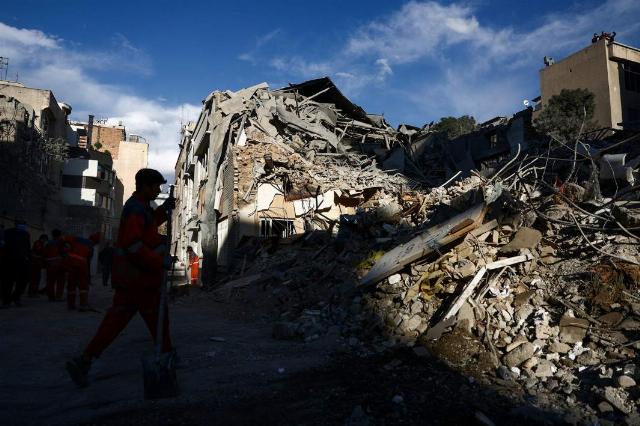
Photo: REUTERS/Majid Asgaripour
Image source: iz.ru
Now, only Iran's actions can be unequivocally predicted, the expert believes. In the situation that Tehran finds itself in, it will constantly raise the stakes and demands.
Roman Kretsul
Maxim Vysochin
