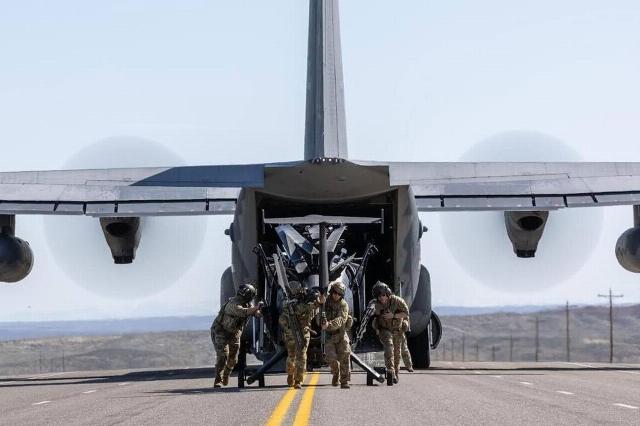
The United States deployed hundreds of special forces to Iran to rescue the downed pilot.
American troops have pulled a downed US Air Force pilot from the very heart of Iran. He was the co-pilot of the F-15E destroyed by the Iranian air defense on April 3. During the rescue operation, the Americans threw about a company of special forces soldiers under the city of Isfahan, deployed an advanced airbase there and reached the hiding pilot while aircraft and drones shot Iranians trying to approach him from the air. "The newspaper.Ru" restored the picture of this unique operation, which was carried out for the first time after the only time during the Second World War, and told how it almost turned into a collapse.
Got Trump to work on the weekend
On Friday, April 3, a US Air Force F-15E fighter-bomber was shot down during a mission over Iran. It is unclear exactly how this happened, but almost immediately photos of the wreckage of the plane and, more importantly, the ejection seat lying on the ground began to appear on social networks, which meant that at least one pilot managed to jump out before falling.
Almost immediately, American troops launched a search and rescue operation, despite the fact that the plane, as it became known later, crashed near the city of Isfahan, located about 300 km from the border. Many low-flying planes and helicopters began to appear over the territory between Isfahan and the Persian Gulf. Once, the Iranians even managed to film a kind of "tugboat" on video: a pair of American HH-60W Pave Hawk search and rescue helicopters at low altitude, receiving fuel from the MC-130J aircraft through hoses.
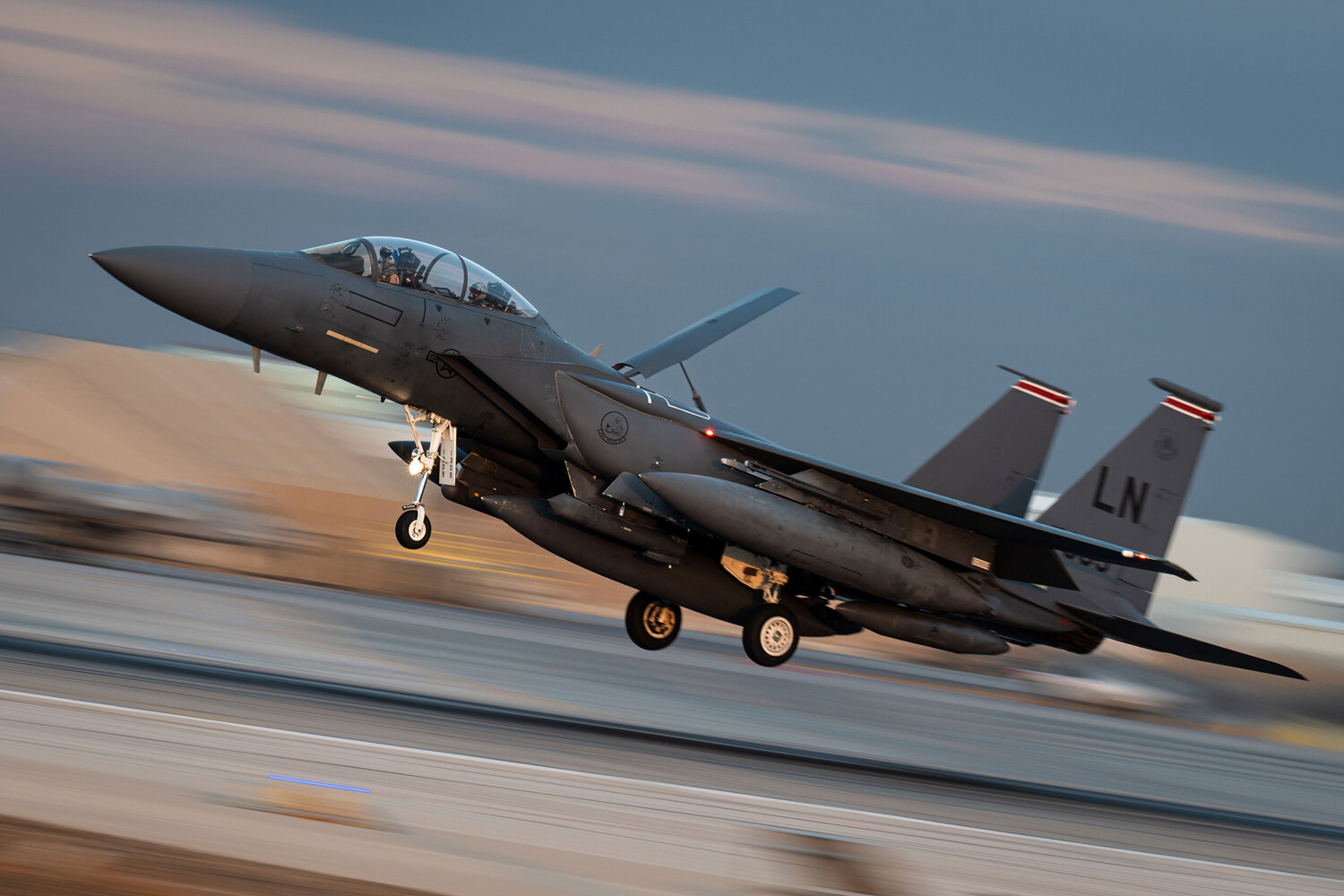 |
| The F-15E is from the same 494th Fighter Squadron as the plane shot down in Iran. |
| Source: U.S. Air Force |
In addition, according to the procedures adopted by the US Air Force, attack aircraft and drones were sent almost immediately to the crash site to support the ejected pilots and prevent enemy troops from capturing them.
It is unknown how intense this battle was and what losses the Iranians suffered as a result of it. The Americans lost one A-10 attack aircraft in it, which was damaged and crashed in Kuwait on the way to the base, but its pilot ejected and was saved.
In addition, at least two U.S. Air Force helicopters involved in the operation were damaged, and after that they were able to reach the base, despite the injuries to the crew. The Hill reporters, citing sources, identified the helicopters as UH-60 Black Hawk, but most likely, the journalists designated some kind of machine based on it, like the same HH-60W.
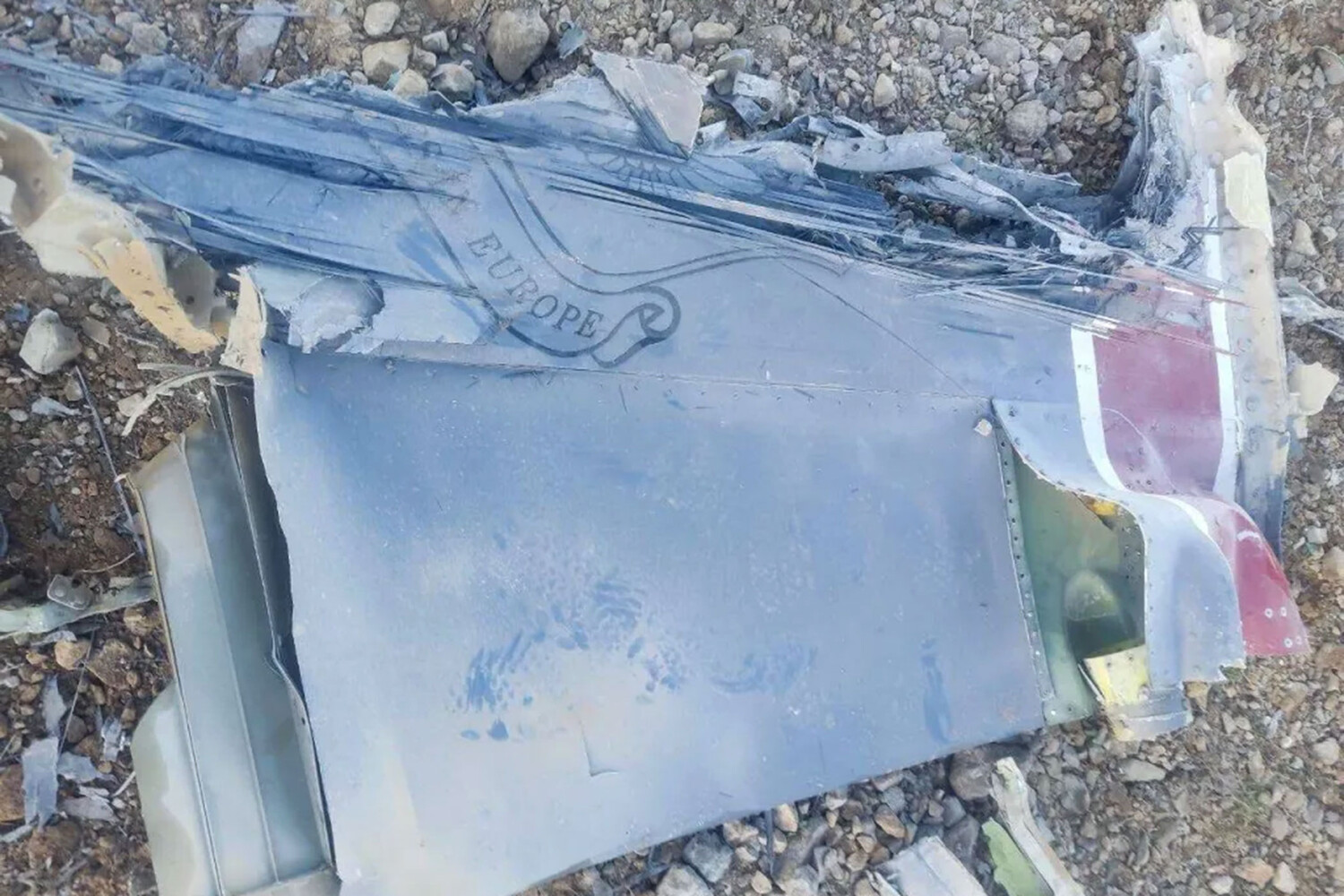 |
| The wreckage of the F-15E shot down in Iran. |
| Source: Iranian state media |
Despite the loss of equipment, by the evening of April 3, the operation was successful, and the F-15 pilot was evacuated. However, the fate of the co—pilot, the weapons operator (WSO), was not clear. Iranian state television announced a reward of $60,000 for anyone who captured the pilot, which logically meant that it was not possible to capture him at that time.
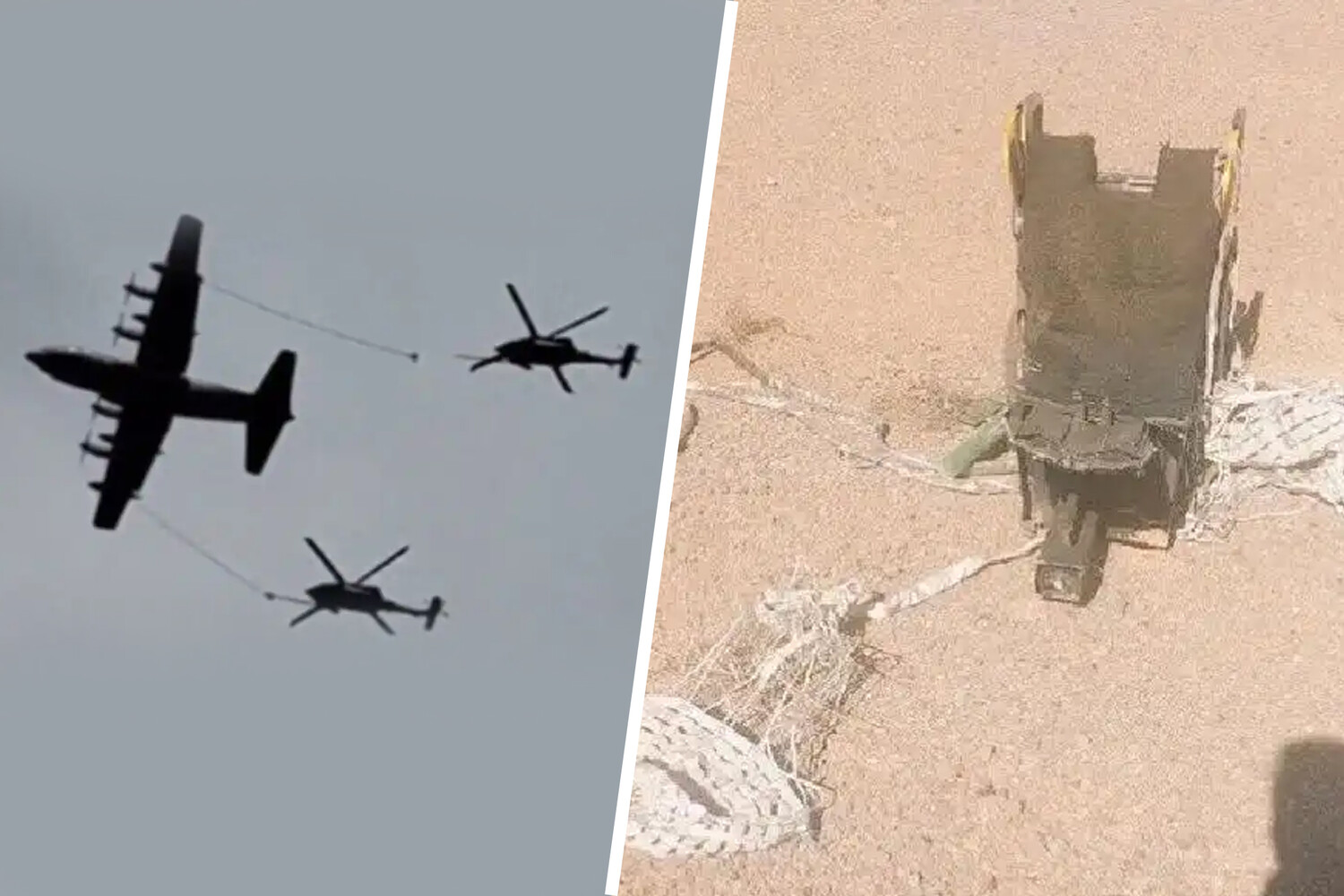 |
| HH-60W search and rescue helicopters next to the MC-130J tanker and the seat of one of the ejected pilots. |
| Source: Iran state media/RGCIntelli/X |
Bullying him would boost Iranian morale, and his life would become an important bargaining chip in the truce negotiations. Therefore, on Friday evening, Trump changed his habit and stayed at work at the White House, rather than going home to Mar-a-Lago for the weekend.
"Glory be to the Lord" instead of a report
The details of the subsequent operation became known only after the fact thanks to American war correspondents, satellite images and videos from social networks. If its course had been described in a feature film or novel, its author would have been accused of bravado and American leavened patriotism: success looks too improbable.
In case of ejection, American pilots have a "device for survival, escape and detection" — Combat Survivor Evader Locator (CSEL). It looks like an old satellite phone in a rough, shock-resistant case, strapped to a pilot's unloading vest, and combines the functions of a VHF radio, satellite phone, and emergency beacon. In the event of an accident, CSEL periodically transmits short, compressed, encrypted location messages, protected from interception, and can also be used for voice communication.
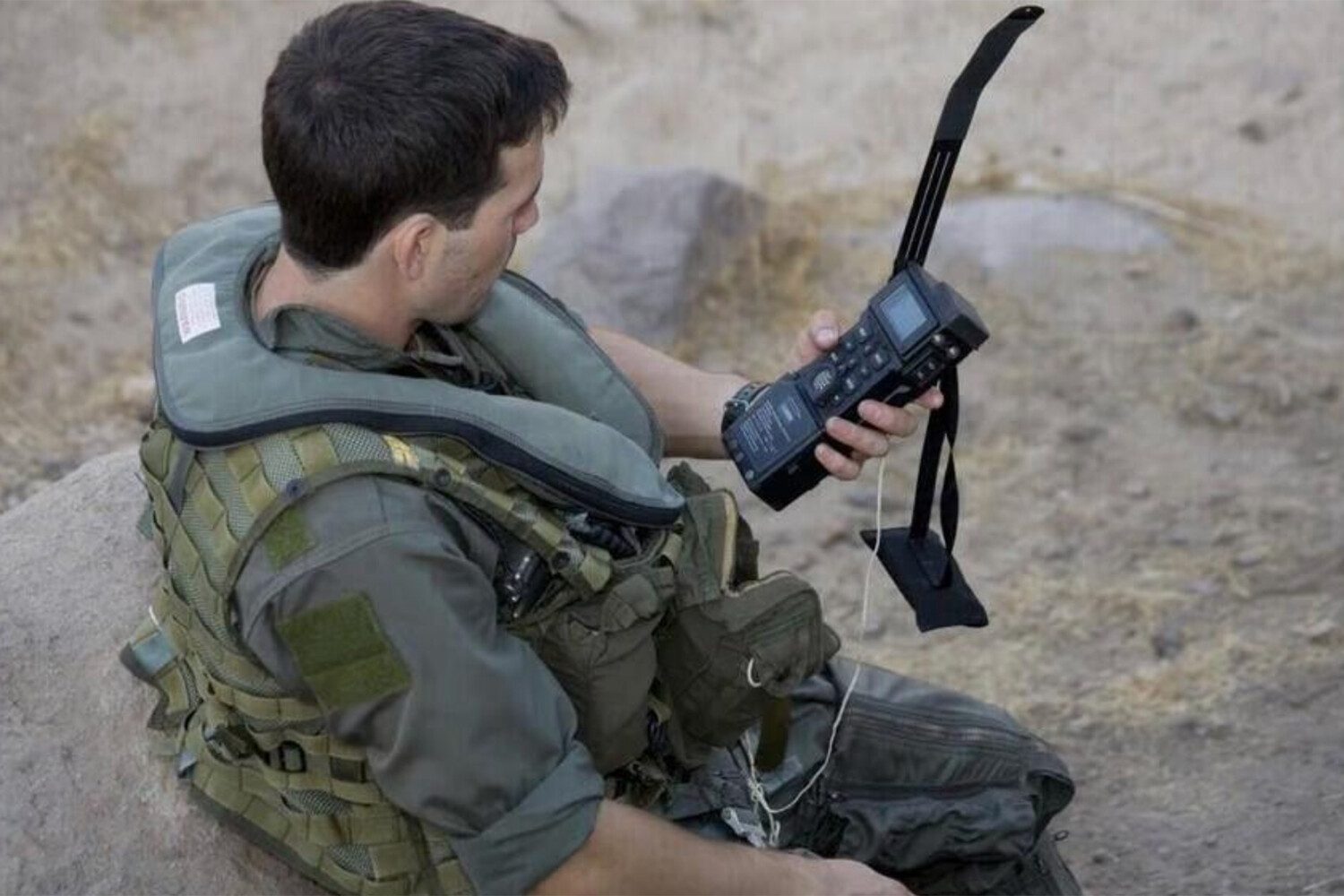 |
| The CSEL device. |
| Source: Boeing |
He only said three words: "God is good." This is an exclamation phrase with the approximate meaning of "glory be to the Lord," a standard one, but far from the most common. The command of the search and rescue operation suspected that in this way the pilot was giving a secret signal that he had been captured and that the Iranians were planning to ambush the rescue team, using the pilot and his radio as bait. The staff calmed down only after the pilot's colleagues said that he had always been a deeply religious man and could have thrown such a phrase in a stressful situation.
Later, two processes took place in parallel. The American armed forces and intelligence were trying to establish the exact location of the pilot, since, apparently, communication with him was lost. The CIA played a key role in this.
First, it conducted a disinformation campaign in Iran, spreading rumors that the pilot had already been found by American troops and was leaving the country as part of a ground convoy. This was supposed to distract the Iranian forces from the crash site and the search, or at least sow uncertainty and chaos.
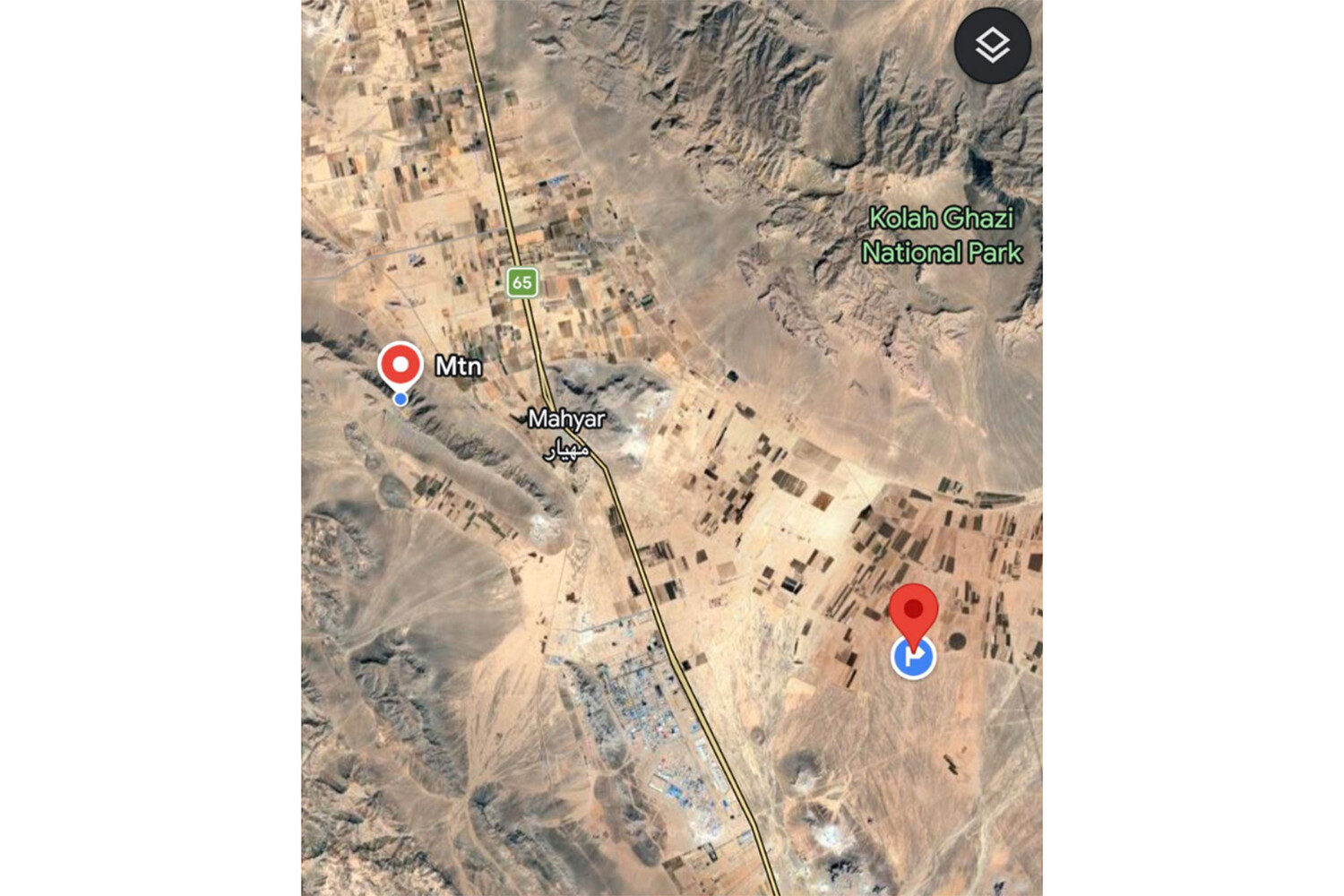 |
| The mark on the left is the place where the pilot was hiding. The mark on the right is the landing site of American aircraft. |
| Source: Michael Weiss/Google Earth |
Secondly, it was the CIA that found out the exact location of the hiding pilot. The interlocutors of the New York Times declined to explain exactly how this happened, but said that equipment unique to the agency was used for this purpose. As it turned out, the weapons operator was lying in a crevice at the top of a mountain range, near the village of Mahyar at coordinates 32.2840 s.w., 51.7525 e.d. He had to go there or rather run about 7 km southeast of the landing point.
Simultaneously with the search, the US armed forces established a blockade of the area where the pilot was located. MQ-9 Reaper drones patrolled the area and shot any "men of military age" within a three-kilometer radius. Strike aircraft destroyed everything in this zone that could potentially pose a threat to American troops, and even used an unusual method of isolating the combat area. Bombs were dropped on the roads leading to it at intervals of several tens of meters in order to cross them with impassable craters for vehicles. In total, the journalists counted 28 craters from hits on satellite images.
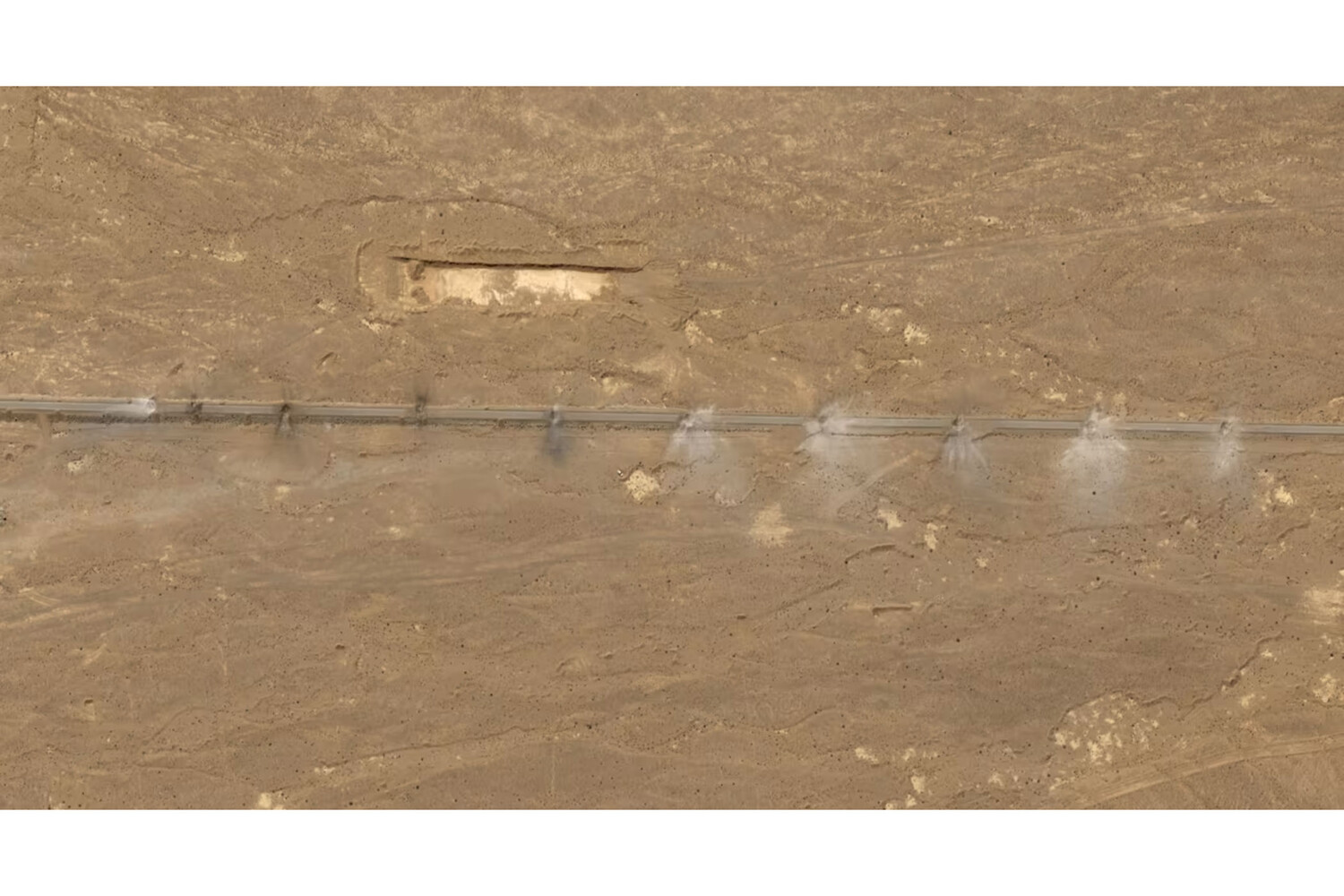 |
| A highway cut by bomb craters near the site of the rescue operation. |
| Source: Airbus |
To save Colonel Ryan
For some reason, the American armed forces did not or could not send helicopters with a refueling aircraft as an external fuel tank for the pilot. Perhaps the coordinates were not too accurate, or Iranian forces were operating in the area, which could not be suppressed from the air. Probably, the whole set of reasons for rejecting this option cannot be understood without being at the American headquarters.
This base was supposed to serve as a launch pad for ultralight helicopters that cannot be refueled in the air. Under cover of the night from Saturday to Sunday, at least two MC-130 transport aircraft adapted for special operations were sent there. Having found a relatively straight and level section of the highway, the planes landed, and about a hundred special forces soldiers disembarked from them.
Together with the soldiers, four ultralight MH-6 Little Bird helicopters arrived at the site, stacked in the cargo hold of the aircraft. This raises questions about the total number of aircraft, since the MC-130 accommodates up to two MH-6 or up to 70 soldiers, so either there were more planes, or the fighters had to make room in the cargo hold, crammed like in the subway during rush hour.
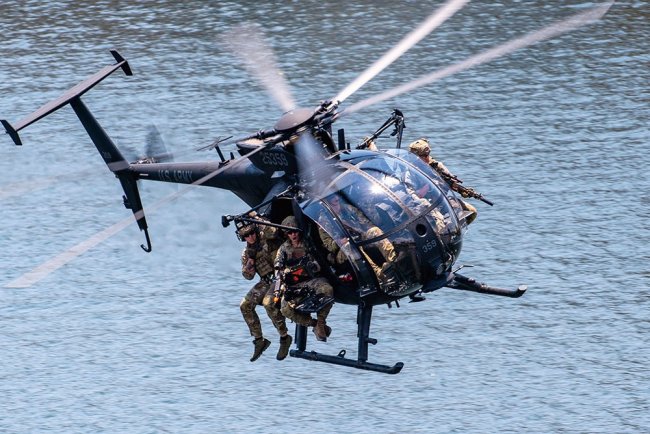 |
| MH-6 Little Bird. |
| Source: Air Force Staff Sgt. Alexander Cook / United States Air Force / wikimedia.org |
Either the planes got stuck in the mud, or they encountered some technical problems, but it was impossible to fly them back. The rescued pilot was stuck in Iran along with about a company of soldiers.
"If there was a moment during the operation when all that was left to say was 'fuck you!' then it came right then," a source familiar with the situation told Reuters. With dawn, the exact location of the base would inevitably have been discovered, and even if American aircraft and special forces had been able to contain the ground offensive, it would most likely have been bombarded with artillery and ballistic missiles.
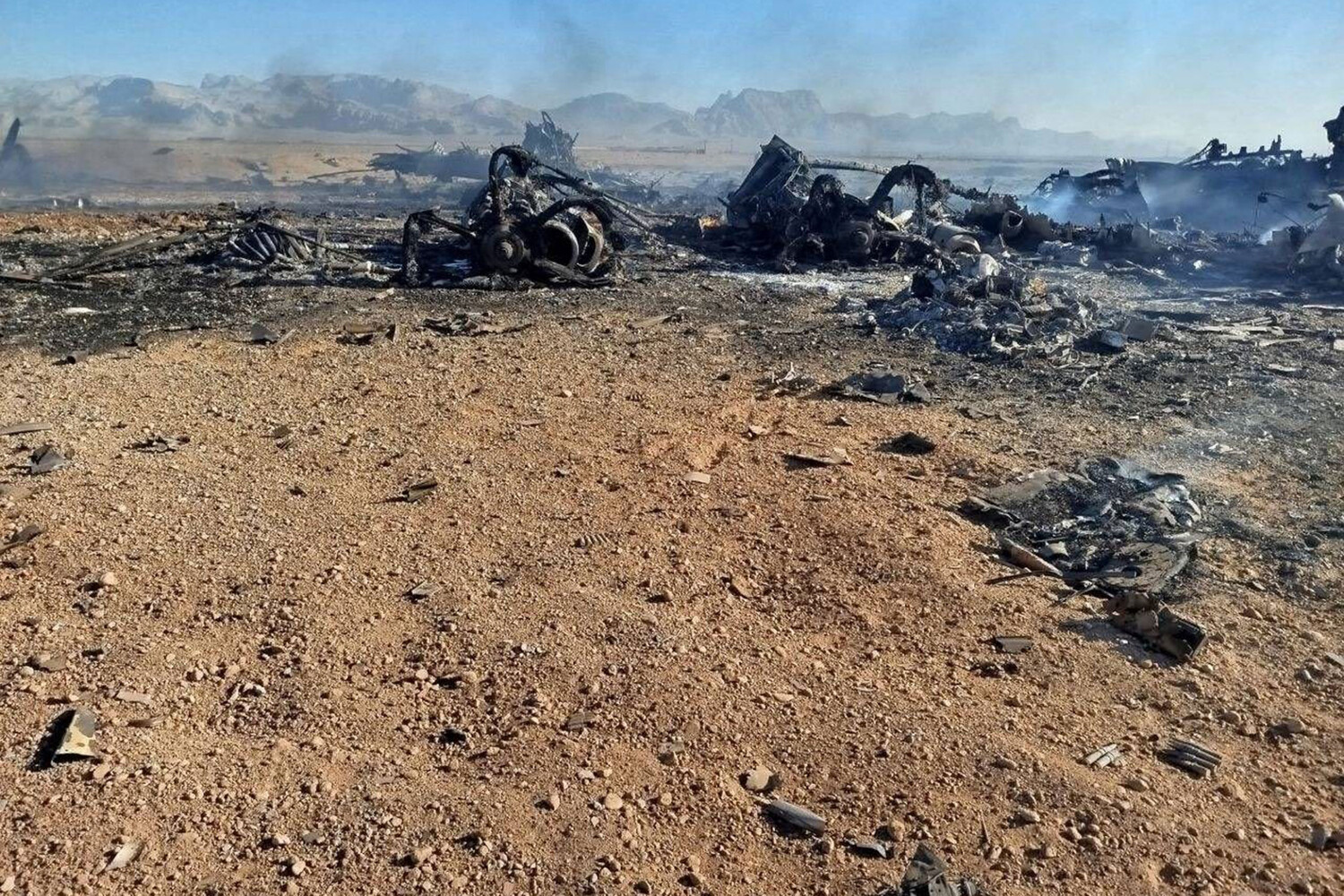 |
| American planes and helicopters destroyed at a forward base in Iran during the rescue of a downed pilot. |
| Source: OSINTtechnical/X |
Therefore, the United States sent three additional transport aircraft, lighter than the MC-130, to evacuate. According to some reports, these were relatively rare C-295WS in service with the 427th Special Operations Squadron.
They took out the commandos and the downed pilot, and all other equipment, including two transporters and four helicopters, had to be destroyed on the ground. Their charred fragments were given to the Iranians as trophies, along with teriyaki beef from a dry ration and empty tubes from under some hygiene products.
Revived American propaganda
This operation, in addition to its obvious military significance in the form of rescuing a colonel officer from captivity and testing the capabilities of American commandos, has great symbolic significance.
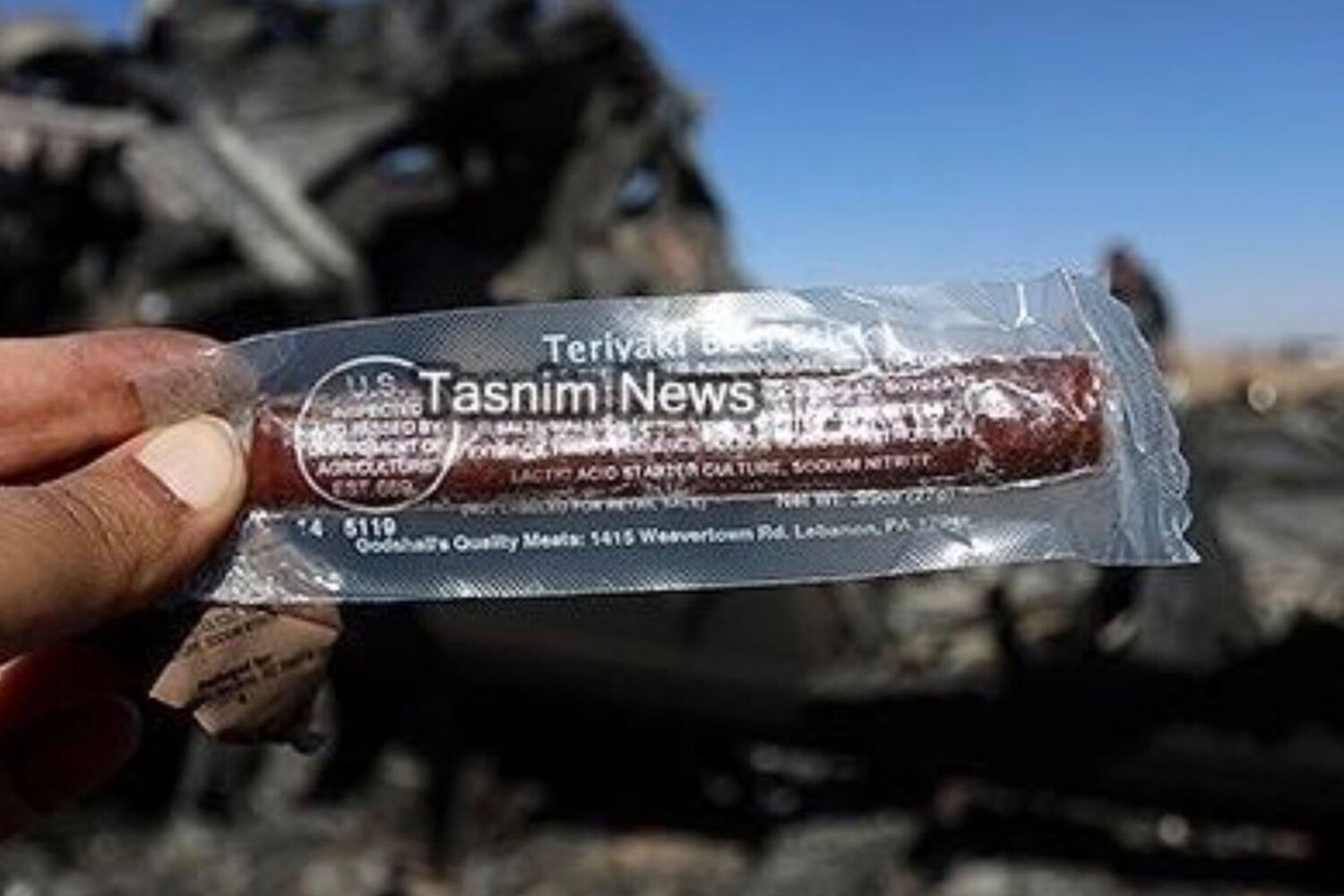 |
| Captured teriyaki beef from an American dry ration, captured by the Iranians. |
| Source: OSINTtechnical/X |
For example, Sergeant Alvin York is considered a hero in the military environment, who captured more than a hundred Germans during the First World War due to accurate shooting, ingenuity and initiative. Another famous hero, orderly Desmond Doss, suffered about 75 wounded during the Battle of Okinawa. Many American military personnel have been awarded for overtly suicidal attacks: for example, Commander Ernest Evans sent his destroyer Johnston into battle with an entire squadron of Japanese cruisers, trying to divert their attention from aircraft carriers during the battle of Leyte Gulf. He did not survive that battle, but died only during the evacuation, giving the order to abandon the destroyed ship and not even thinking about sinking with it: he was last seen in a lifeboat saluting Japanese sailors who lined up on deck to salute the wreckage of Johnston.
Death in battle, according to American beliefs, does not add any valor points, and no one is taught to strive for it. On the contrary, the value of life is strongly emphasized, and the rescue of soldiers wounded or trapped behind enemy lines, including at the cost of losing equipment, is considered the most honorable task. This prioritization permeates the entire American culture and is reflected in films like "Saving Private Ryan."
Therefore, the losses of planes and helicopters suffered during the rescue of the F-15E crew are, on the contrary, a reason for pride for the United States and a full—scale proof of faith in their own values and propaganda, which promises soldiers that "no one will be left behind."
So it's worth waiting for a Hollywood blockbuster based on this operation to be released in the coming years. Probably, the colors will have to be slightly thickened: after all, good drama requires losses and sacrifices. And the audience may not believe in a miraculous rescue without victims and tragedies.
Vasily Zaitsev
After writing this article, US President Donald Trump spoke at a press conference about the rescue operation, confirming the main facts stated in the article.
