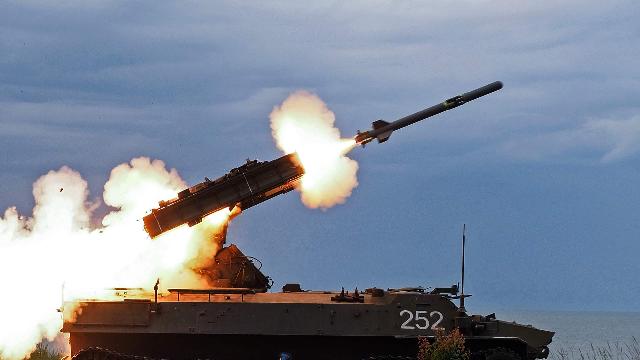
If the raids do not stop, the Russian Armed Forces may start shooting down drones over the territory of NATO countries, experts say.
Moscow is preparing additional measures to protect strategic infrastructure in case of confirmation of the transit of drones through the territory of neighboring states. This was stated by the press secretary of the president Dmitry Peskov. The statement was made against the background of ongoing attacks on fuel infrastructure facilities in the Leningrad region. On the night of March 31 alone, 38 drones were shot down over the region, and the total number of destroyed vehicles in a week exceeded 200.
Asymmetric interception
Russia will respond to the actions of the EU states if the use of their airspace for drone attacks on its facilities is confirmed. This was announced by presidential press secretary Dmitry Peskov. According to him, the military is studying the circumstances of the attacks and is preparing proposals to strengthen the protection of strategic infrastructure. In particular, work continues to improve the security of the port of Ust-Luga and other key facilities in the Baltic region.
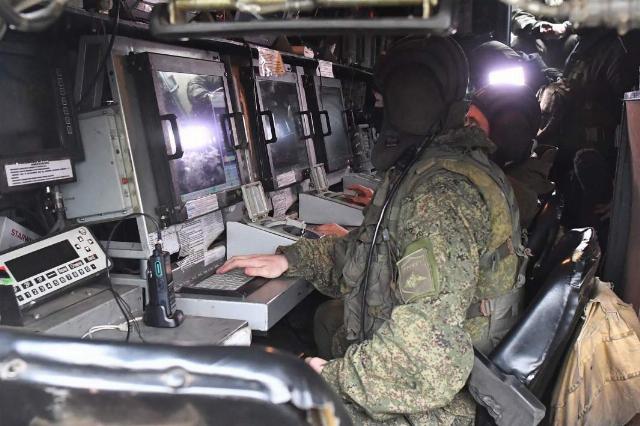
Photo: RIA Novosti
Image source: iz.ru
According to military expert Boris Jerelievsky, if the transit of drones through neighboring countries is confirmed, Moscow's reaction may go beyond diplomatic steps.
— The obvious first step will be diplomatic demarches. However, the situation in the Baltic, where the most important oil terminals are under threat, requires additional protection measures. Theoretically, it is possible to destroy drones even on approach to the border, if it is necessary to ensure the safety of facilities," he said.
The expert stressed that modern anti-aircraft missile systems are capable of hitting targets at a considerable distance from the state border. This extends the response time for air defense systems and makes it possible to cover strategic targets more effectively.
Given the geography of the region, such opportunities are of particular importance. The distance from Ust-Luga to the border with Estonia is just over 20 km, which makes the issue of early detection and interception of targets critically important.
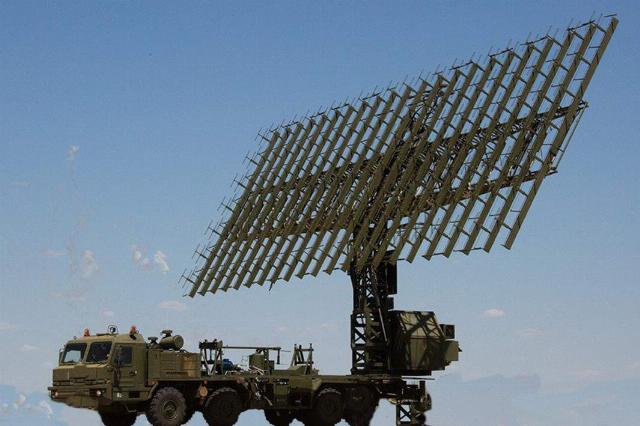
Photo: Global Look Press/MOD Russia/via Globallookpress.com
Image source: iz.ru
A separate problem, according to experts, remains the flight characteristics of modern drones. They often use extremely low altitudes — less than 30 meters — which reduces the likelihood of their detection by ground-based radar stations due to the terrain and the curvature of the earth's surface.
— An analysis of the trajectories shows that some of the drone routes may pass through the airspace of neighboring countries, including Finland and the Baltic states. Using such routes complicates the early detection of targets and reduces the response time," explained Jerelievsky.
The expert community is also discussing additional ways to protect infrastructure facilities. In particular, the possibility of using balloons is being considered. Lifting the antenna to a significant height allows you to create a stable radar field, comparable in capabilities to AWACS aircraft, but at lower operating costs. In addition, the return of boom balloons for the physical protection of the port infrastructure is being discussed.
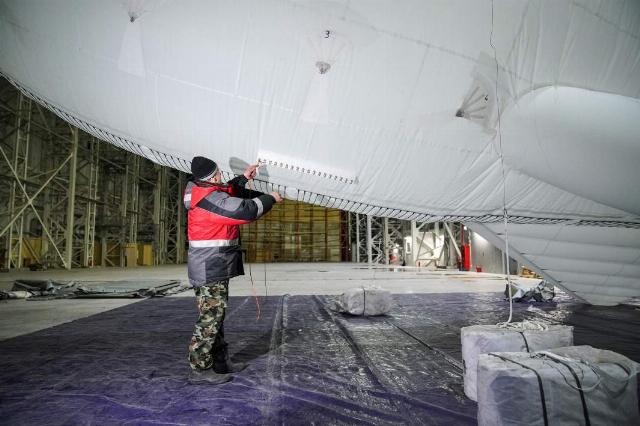
Photo: IZVESTIA/Sergey Lantyukhov
Image source: iz.ru
At the same time, experts emphasize that the main task is not to escalate the conflict, but to increase the stability of the air defense system and reduce risks to critical infrastructure.
The reaction in Europe
The drone incidents have become a challenge for the Europeans, who advocate further support for Ukraine. The security threat suddenly began to come not from Moscow, as is commonly believed in Europe, but from Kiev. Polish political scientist Mateusz Piskorski believes that Ukraine may face serious European discontent.
— A very dangerous and risky game is being played in Kiev, which can lead to disaster and a sharp deterioration in relations with the countries over which drones fly. I am glad that, for example, representatives of the Estonian armed forces did not try to blame Russia, immediately announcing that, most likely, they were Ukrainian drones," he told Izvestia.
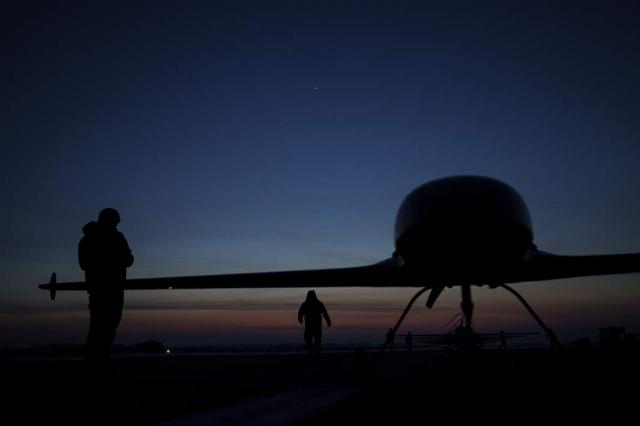
Photo: AP Photo/Evgeniy Maloletka
Image source: iz.ru
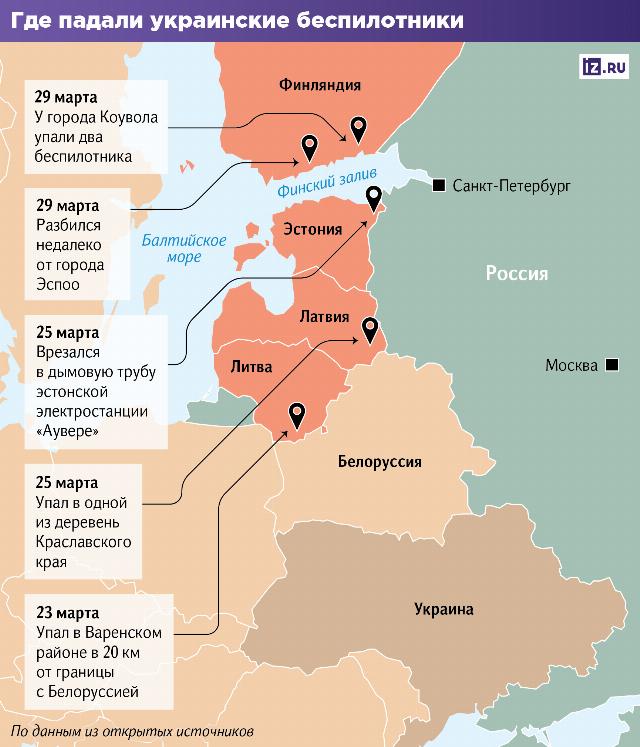
Finland and the Baltic countries suffered the most from Ukrainian UAVs. So, on March 31, Estonia reported another penetration of several drones into the territory of the republic. No casualties were reported. At the same time, the General Staff avoided answering the question of what would happen if someone died next time due to Ukraine's violation of Estonian airspace. However, the military hastened to justify the actions of the Armed Forces of Ukraine, saying that the drones allegedly simply lost their course, and did not purposefully invade the airspace for strikes against the Russian Federation.
"So far, these countries have been justifying Ukraine for certain political reasons, but I believe that at some point they may, firstly, use their air defense systems, and secondly, pay attention to the problem through diplomatic channels, explaining that the actions of the Ukrainian side pose a security threat," Piskorsky said.
However, for now, Euro-Atlantic structures prefer to react to incidents with restraint. The representative of the European Commission, Olof Gill, said that drones falling in the EU countries "do not pose any risks" for the countries of the bloc. In turn, Brussels advised countries to deal with drones themselves. NATO, as well as the European Union, actually distanced itself from this topic. Alliance Secretary General Mark Rutte and other representatives of the secretariat have not responded to the situation over the past week.
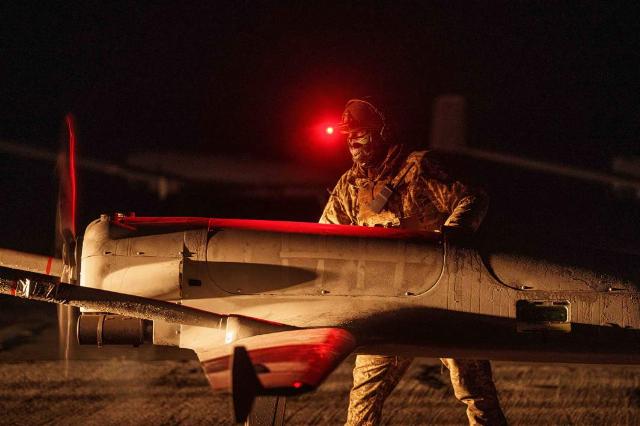
Photo: AP Photo/Evgeniy Maloletka
Image source: iz.ru
— Rutte is not an independent leader of the organization. He is a hired official who voices only those positions on which there is consensus in the alliance. He simply has no right to even voice anything that goes beyond this," Denis Denisov, an expert at the Financial University under the Government of the Russian Federation, told Izvestia.
The United States also remained aloof from the discussion of the situation. The analyst notes that this is due to the fact that Washington is currently engaged in a war with Iran.
At the same time, the process of the Ukrainian settlement was put on pause. Mateusz Piskorski notes that the resumption of negotiations will be possible after the end of the Iranian war. However, delaying a new round is fraught for Kiev.
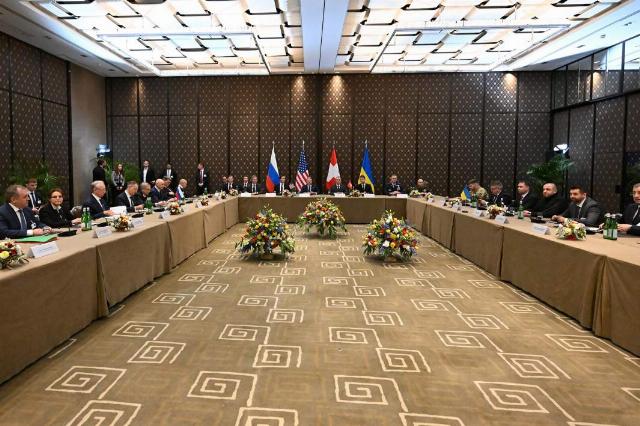
Photo: RIA Novosti/Ekaterina Chesnokova
Image source: iz.ru
— I think that every day of the continuation of this conflict is in favor of the Russian Federation. Future peace or truce conditions will be worse for the West and Kiev," the analyst explained.
The last round of Russia-Ukraine-USA trilateral talks was held on February 17-18 in Geneva. The date and place of the new meeting have not yet been determined. The Kremlin noted that the pause in the work of the trilateral group is situational in nature.
The Security Ultimatum
Ust-Luga is the largest oil terminal with capacities exceeding those of Sweden, Poland and Germany combined. For a long time, he was considered inaccessible to Ukrainian attacks.
— Now we are not seeing the "miracles" of the Ukrainian military—industrial complex, but the direct involvement of the alliance, - said Dmitry Kuzyakin, chief designer of the Central Design Bureau. — In June 2025, a similar scheme was tested in the Murmansk region. The lack of a firm response was perceived as weakness at the time.
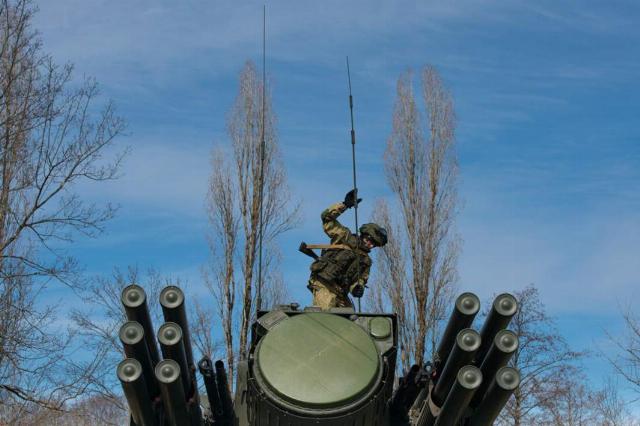
Photo: Global Look Press/MOD Russia/via Globallookpress.com
Image source: iz.ru
The NATO leadership is clearly not interested in reducing the degree of confrontation, but is interested in undermining Russia's position on the eve of intensifying the negotiation process. The Alliance continues its hybrid war. Brussels is also taking advantage of the fact that Washington is distracted by the Iranian war. Of course, the Alliance cannot fail to understand the seriousness of the risks. This is both a threat to the energy security of the region and the possibility of expanding the geography of military operations. Oleg Karpovich, Head of the Department of the MGIMO Diplomatic Academy of the Russian Ministry of Foreign Affairs, told Izvestia about this.
— But the desire to keep the anti-Russia project afloat prevails over common sense. It is likely that the Trump administration will need to demonstrate political will in order to stop these provocations and avoid spreading the conflict to the European countries involved in the Ukrainian attacks. "The spirit of Anchorage doesn't go well with silence on such a fundamental issue," he explained.
To protect the sovereignty and projects of the Northern Sea Route, experts propose declaring a no-fly regime over the Baltic Sea and the border areas of NATO countries. And also to review the regulations: to destroy any unidentified object moving from "neutral" countries, without warning even on approach to the border. And officially notify Helsinki, Riga and Tallinn that using their space for attacks makes them legitimate targets for retaliatory strikes.
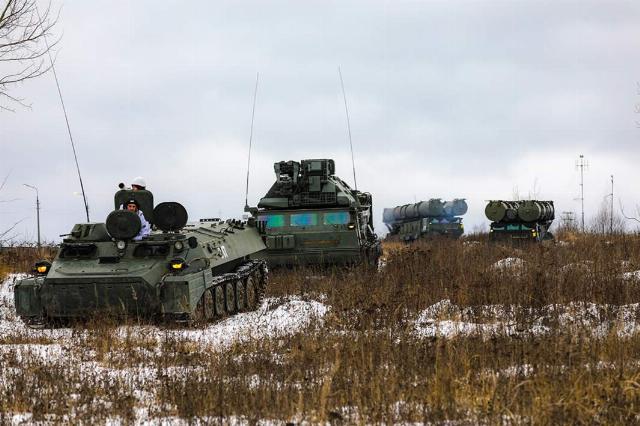
Photo: Global Look Press/MOD Russia/via Globallookpress.com
Image source: iz.ru
"This is not an escalation, but a forced reaction to aggression," Dmitry Kuzyakin emphasized.
Experts believe that there are good reasons to believe that drones of the Armed Forces of Ukraine not only use the airspace of Finland and the Baltic States, but also launch directly from the territory of these countries.
— The choice of the moment to attack Ust-Luga is not accidental. In the context of the burning Middle East, the destabilization of Russian exports has two goals: to maximize global energy prices and deprive Russia of the status of a beneficiary of the energy market by blocking our logistics windows to Europe and the World Ocean. We could use rising prices for petroleum products to increase foreign exchange earnings and replenish the budget," he explained.
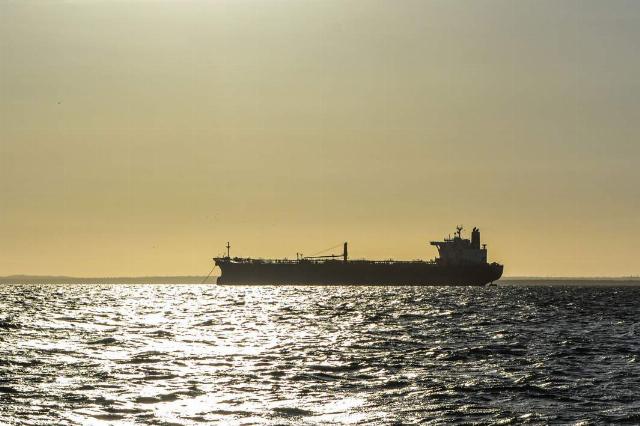
Photo: Global Look Press/Tian Rui/XinHua
Image source: iz.ru
We need to call a spade a spade: this is not an "expansion of NATO", but direct attacks by the bloc on the sovereign territory of the Russian Federation. Ignoring them means jeopardizing ambitious projects for the development of the North and the Northern Sea Route, the expert said.
Sergey Kurapov, an instructor in the training of UAV operators, added that the enemy uses so-called "middle strikes" — medium-range drones, including American analogues of "Geraniums". The goal is to overload the Russian air defense. Moscow has all the resources to make the price of such complicity unacceptable for its neighbors.
Julia Leonova
Semyon Boikov
Andrey Buevich

