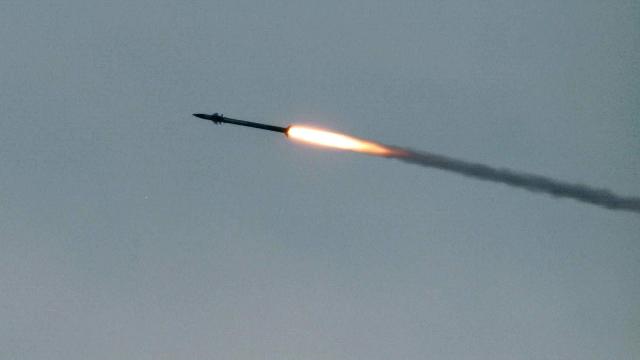
Israel, the United States and their allies are not able to fully repel the Iranian attacks
During the conflict in the Middle East, Iranian missiles periodically overcome Israel's layered missile defenses. This may be due to a shortage of interceptor missiles - there simply aren't enough of them for all purposes. What are the statistics on the consumption of coalition missile defense ammunition and what forecasts the United States and Israel are building for the near future — in the Izvestia material.
How is the missile defense system of the coalition countries?
The Washington Post writes that Iranian missiles are piercing the layered Israeli defenses, and this raises doubts about the effectiveness of interceptors. It is likely that Iran uses the tactics of breaking through missile defense with different types of missiles, combining strikes on time and place. The latest high—profile defense failures are the hits of Iranian missiles in residential areas in Arad and Dimona. Moreover, the Israeli nuclear center is located in Dimona, and it is unlikely that it is not protected from attacks.
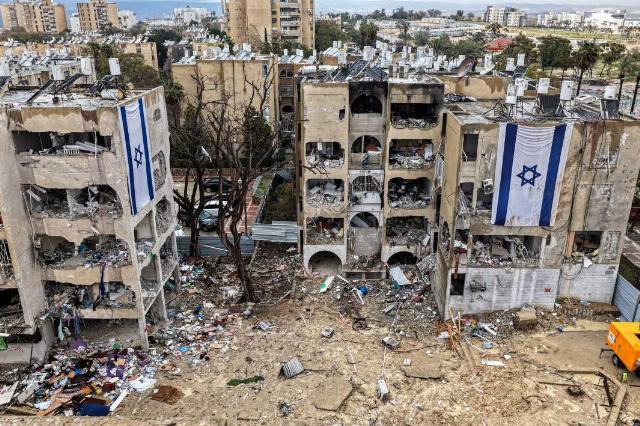
Photo: REUTERS/Ilan Rosenberg
Image source: iz.ru
The Israeli missile defense system includes several echelons. The Arrow-2 and Arrow-3 anti—missiles provide a long range - they intercept attacking ballistic targets outside the atmosphere. Next, the David's Sling missile defense system works — it hits high-speed targets after they enter the dense layers of the atmosphere. Finally, the Iron Dome is operating near the earth itself, but with the caveat that it can effectively intercept short-range unguided missiles, and its effectiveness is low for ballistic missile-type targets.
In the neighboring monarchies of the Persian Gulf, Israel's missile defense systems are based on Patriot air defense systems with several types of missiles, as well as American-made long-range THAAD missile defense systems. The AEGIS defense systems of the US navy are also used to protect against Iranian missiles, but there is a nuance here: American ships do not enter the Persian Gulf, in fact, they can only protect themselves and are capable of shooting down only a small part of the missiles used by Iran.
How the anti-aircraft missiles of the coalition countries are spent
In conditions of continuous Iranian strikes, the consumption of anti-missiles is high, and they are very expensive. For example, one Arrow missile costs about $3 million, and the David's Sling interceptor costs about $700 thousand. The American trans-atmospheric THAAD missile defense system costs about $15 million. And the United States is also actively spending its interceptors in the Middle East. In addition, Patriot and other anti-aircraft systems are working on Iranian missiles and drones.
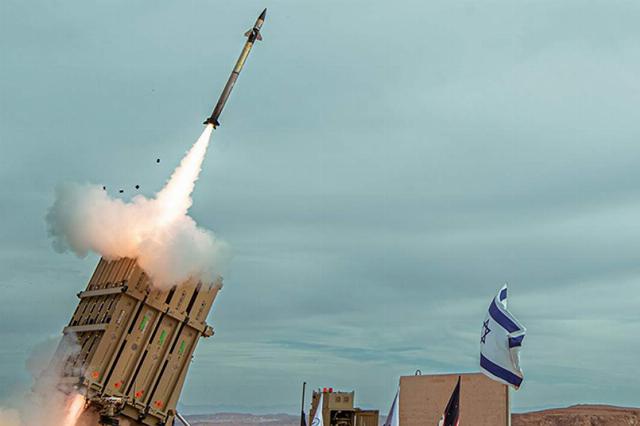
Photo: TASS/Zuma/ZEUS
Image source: iz.ru
OSINT specialists have analyzed the consumption of anti-aircraft ammunition by the United States, Israel and their allies since February 28. The figures are impressive: 1,285 PAC-3 and 402 PAC-2 missiles for the Patriot air defense system, 340 THAAD missiles, 135 David's Sling missiles, 563 Tamir missiles for the Iron Dome, 431 SM-2/3/6 missiles for naval air defense systems./ABOUT AEGIS. And this is just part of the list. In total, about 3,500 anti-aircraft missiles and anti-missile interceptors were spent.
At the same time, Iran is believed to have launched no more than 1,300 ballistic missiles and approximately 3,500 long-range kamikaze drones at targets in the Middle East. It turns out that for every ballistic missile launched by Iran, the United States and its allies spend 2-3 expensive anti-missiles. Some of it is spent on drones, but aviation probably plays the main role in repelling their attacks.
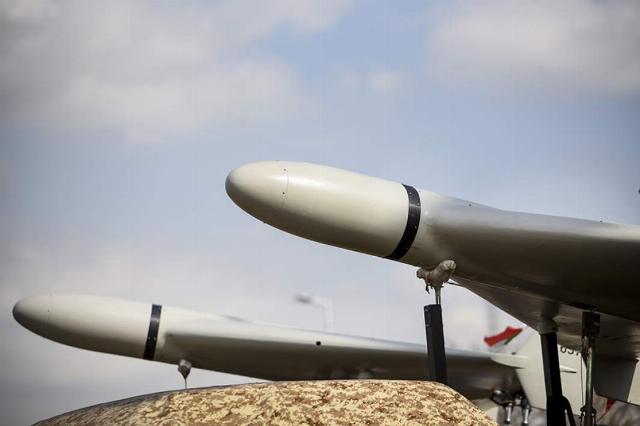
Photo: TASS/Zuma/ZEUS
Image source: iz.ru
Then there is a nuance: the Israeli missile defense system only works on those Iranian missiles that hit defensible targets. These are usually military installations, industrial centers, and populated areas. If the attacking missile goes "into the milk", then anti-missiles are not spent on it. The Iranians definitely have misses, which means that the missile defense statistics on ballistic missiles tend to three launches at a target or even more. The cost of anti-missiles in such a situation is certainly huge.
And where can the allies get anti-missiles for their missile defense systems? Firstly, of course, in our own warehouses. The United States did not arm the monarchies of the Persian Gulf for nothing — now they have a certain supply of ammunition, and it definitely came in handy.
Secondly, weapons and launchers are being transferred from other regions of the American army's presence. It is already known about the redeployment of part of the THAAD anti-missile systems and ammunition from South Korea to the Middle East. Additional supplies are also carried out directly from the United States. At the same time, Washington cannot completely ignore the arsenals in the European direction — additional ammunition can also be sent from the warehouses of the United States and NATO countries in Europe.
Photo: Global Look Press/US Army
Image source: iz.ru
Thirdly, it seems that the Pentagon got into the "box" of the PURL program, according to which weapons and equipment were purchased by European countries for supplies to Ukraine. The Pentagon has already notified the US Congress of its intention to redirect weapons worth $750 million, which were paid for by the Europeans, to its own needs. Most likely, this package includes missiles for Patriot complexes, which Kiev has been waiting for. Washington needs them now for itself, and so far it is not up to the needs of the Armed Forces of Ukraine.
What happens if Iran's missile strikes don't stop? Ammunition for air defense and missile defense systems will begin to be scarce, and according to various estimates, the shortage of anti-missiles is already beginning. If the conflict continues at its current intensity for another couple of weeks, it is likely that more and more Iranian ballistic missiles will find their targets. Therefore, it is extremely important for the United States and its allies to fulfill a dual task: to destroy as many Iranian missile launchers and their stocks as possible, as well as to obtain anti-missile ammunition from other regions. It is likely that interceptor missiles from the United States, South Korea, Japan and Europe will also be deployed. And the United States will try to involve the monarchies of the Persian Gulf in attacks on Iran's missile potential. And financially, the sheikhs will probably participate in the organization of American missile defense bases in their countries.
Dmitry Kornev
