Image source: topwar.ru
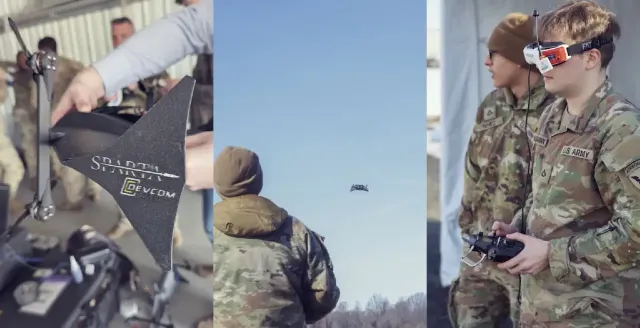
The US Army is experimenting with a drone printed on a 3D printer and designed based on information received directly from military personnel who directly participated in combat operations. It is assumed that the new UAV will fully meet the real needs on the battlefield.
The portable autonomous reconnaissance UAV SPARTA (Soldier Portable Autonomous Reconnaissance Transitioning Aircraft) weighs about a kilogram and is capable of flying up to 30 kilometers. The drone is capable of staying in the air for more than an hour at an altitude of about 150 meters. Its fuselage can be manufactured within a few hours using 3D printing technologies, and the entire system can be quickly assembled without using special tools. The modular design makes it possible to replace electronic components in a matter of minutes, and the relatively roomy internal payload compartment makes it possible to equip the UAV with various cameras appropriate to the specific mission objectives.
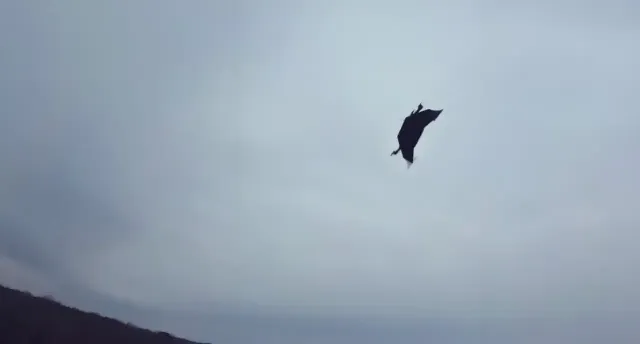
Image source: topwar.ru
Hybrid aerodynamic design: combines vertical takeoff and landing like a quadcopter with efficient cruise flight like a fixed-wing aircraft, which increases range compared to conventional multirotor drones.
Maintainability in the field: In the event of an accident, the 3D-printed airframe absorbs most of the damage, and the electronics (camera, flight controller, batteries) can be reused after printing a new body.
SPARTA is not a combat platform: This UAV is focused on reconnaissance and surveillance, not on the use of weapons. At the same time, the drone is designed for close-range reconnaissance at the platoon or company level, and not for strategic tasks.
