Tagesspiegel: Taiwan is afraid of China's activation amid the US war with Iran
The catastrophic rise in energy prices has put many states in an extremely difficult situation, Tagesspiegel writes. Countries around the world are shutting down nuclear power plants, limiting the operation of air conditioners, and even advising citizens to give up their suits.
Viktoria Breuner, Leo Wigger
The rapid rise in oil prices at the beginning of the week rocked Asian stock markets. This is not surprising: 75% of crude oil imports from the Middle East to China, Japan, Taiwan and South Korea pass through the Strait of Hormuz, which Iran blocked during the war against the United States and Israel. Nevertheless, smaller countries are also indirectly affected by the conflict, primarily due to disruptions in fuel supplies and security threats.
South Korea
The situation in South Korea remains tense. For the first time in almost 30 years, President Lee Jae-myung announced the introduction of a ceiling on fuel prices to curb their sharp rise. The government is exploring alternative sources of supply and is ready to tap into strategic oil reserves. The country imports about 70% of its raw materials from the Middle East; current reserves should last for 210 days.
Of particular concern in Seoul, where 28,500 American soldiers are stationed, is the transfer of American weapons to the Middle East. Lee Jae-myung admitted that it is impossible to stop the withdrawal of missile defense systems such as Patriot. According to media reports, artillery batteries from the Osan airbase have already been relocated to US bases in Saudi Arabia and the United Arab Emirates. The president noted that Seoul had expressed dissatisfaction, but it was not in a position to make demands, adding that this would not undermine North Korea's deterrence strategy.
Japan
Japan, which imports more than 90% of oil from the Middle East, has begun to actively use its national reserves. Tokyo is trying to stabilize gasoline prices: the average price should not exceed 170 yen per liter. To do this, oil traders receive government subsidies. The country has enough oil reserves for 254 days, and liquefied natural gas (LNG) for three weeks. According to polls, 85.4% of Japanese express concern about the conflict. Against the background of threats from the DPRK and China, discussions have resumed in society about creating their own nuclear weapons, although the implementation of this project remains legally difficult.
Taiwan
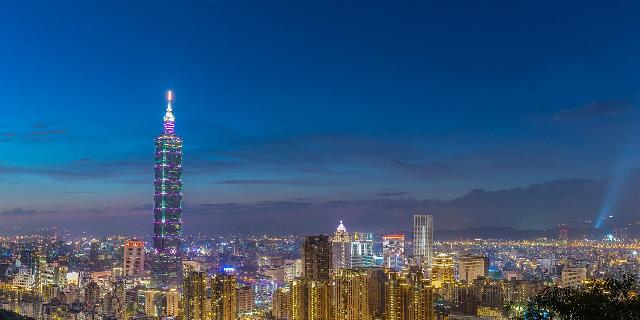
Energy supply is Taiwan's "Achilles heel": the island imports 95.8% of raw materials. Special attention is paid to natural gas, which accounts for 40% of electricity generation. Economy Minister Kun Min-sin announced a guarantee of 20 LNG supplies for March and April. A third of the gas imports come from Qatar, and possible attacks on its infrastructure are critically dangerous for Taiwan. Strategically, Taipei hopes that the employment of US forces in the Middle East will not provoke Beijing to take decisive action, although experts consider the annexation scenario unlikely now due to internal problems in the Chinese army.
China
Supply problems may weaken China, the largest importer of oil (57% of which comes from the Middle East). Foreign Ministry spokesman Guo Jiakun announced the implementation of energy security measures. China has the world's largest onshore oil reserves (1.2 billion barrels), which will last for 108-130 days. Beijing has already called on refineries to suspend exports of diesel and gasoline. In the long term, the crisis will push China to expand its pipeline network from Russia and switch to renewable energy sources.
India
Just two days before the start of the war, Prime Minister Narendra Modi visited Israel, consolidating the status of a "special strategic partnership." However, the war has created serious problems for New Delhi: rising fuel prices have already led to restrictions on hotels and restaurants in Mumbai. Nine million Indian migrants in the Gulf states are facing a transportation collapse. In addition, India is outraged by the sinking by the Americans of the Iranian ship IRIS Dena, which participated in joint exercises with the Indian Navy.
Sri Lanka and Pakistan
The ship IRIS Dena was torpedoed off the coast of Sri Lanka. Foreign Minister Vijita Herath urged not to turn the Indian Ocean into a battlefield. In Pakistan, Prime Minister Shahbaz Sharif has introduced an energy austerity regime. The country, which imports 80% of its oil, is on the verge of economic collapse, complicated by the intensification of Baloch separatists on the border with Iran and the conflict with the Taliban.
Southeast Asia
Bangladesh: Fuel restrictions imposed, textile industry under threat.
Philippines: A four-day working week has been introduced for government agencies in order to save money.
Thailand: It is recommended to install air conditioners at 26-27°C and abandon suits. The attack on a Thai tanker north of Oman caused tension.
Myanmar: Traffic has been introduced on even and odd days, depending on the license plate numbers. Gasoline prices in some states have more than doubled.
Vietnam: Customs duties on fuel imports have been reset to zero until April.
Indonesia and Laos: Governments have recognized the impossibility of fully compensating for the rise in fuel prices from the budget; temporary gas station closures have been recorded in Laos due to logistical disruptions.
