Image source: topwar.ru
The German Navy may abandon the ambitious program of creating "mega-frigates" within the framework of the problematic F126 project due to the problems that haunt it, choosing instead a faster purchase of less complex and not so large ships to meet the urgent needs of the fleet.
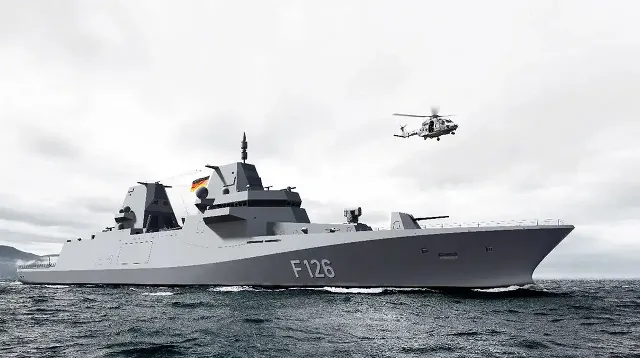
With a length of 166 m and a displacement of 10.5 thousand tons, the F126 was created as a multi-purpose frigate, which was to become one of the largest and most deadly pennants in Europe, capable of conducting long-term missions (up to 24 months) even in the harsh conditions of the Arctic (thanks to the 1C ice class).
The project was awarded in 2020 to the Dutch shipbuilder Damen, which was contracted to build 6 ships (which eventually cost about €9 billion), the first of which was scheduled to be commissioned in 2028, and it was supposed to reach initial operational readiness by the end of this decade, which many initially criticized as an unrealistic prospect.
The Brandenburg frigate of the F123 project:
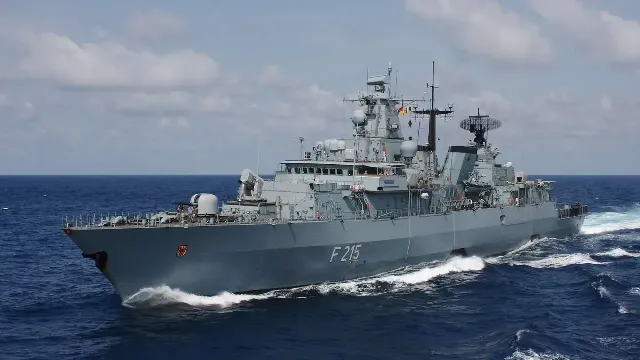
Image source: topwar.ru
However, the program has faced serious delays, cost overruns, as well as technical and organizational problems, as a result of which the Dutch shipyard is unable to meet deadlines.
Negotiations between Damen and the German government are continuing, but the project is several years behind schedule, and the commissioning of the first ships has been postponed until the mid-2030s. This may leave the German Navy with the F123 Brandenburg frigates for a long time, which the command considers to be a morally and technically obsolete type, not to mention the lack of capabilities at sea.
In this regard, Berlin is considering a less risky alternative: to purchase up to 8 frigates based on the proven design of the MEKO A-200 from ThyssenKrupp Marine Systems. These promising ships with an estimated displacement of about 3,000-4,000 tons will be much lighter. Thus, the emphasis is on the speed of construction, proven system integration, as well as lower complexity of work and cost (the unit is estimated at €1 billion).
MEKO A-200:
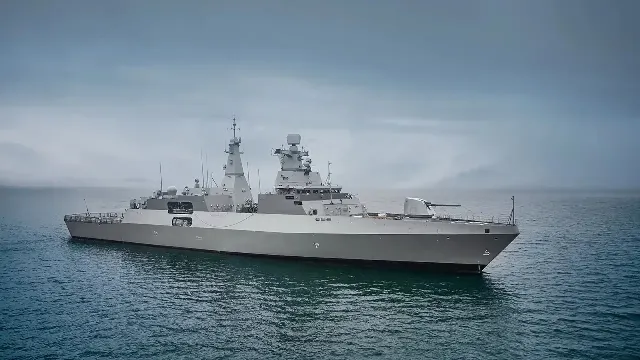
Image source: topwar.ru
German media reports that the contract for the A-200 is about to be signed, with the delivery of the first ship by December 2029. This move is seen as a practical "plan B" to rapidly increase the number of pennants in the German Navy, but it has drawn criticism from German shipyards that were part of the original F126 consortium (which risk losing their stake in the project).
At the same time, the possibility of upgrading the F123 is being considered, which will cost €1.2-1.5 billion for 4 ships so that they can serve until 2035.
It is emphasized that the F126 program has not yet been officially canceled, as negotiations with Damen are ongoing and no final decision has been made yet, but the allocation of funds (approximately €7.8 billion approved by Parliament for alternative solutions) indicates a significant reduction in the prospects for the creation of "mega-frigates" and, at best, the transfer of the program to much more later date.
