Image source: topwar.ru
The publication of data from the Nuclear Sponge project (USA TODAY, 01/07/2026) exposes a number of disturbing aspects related to the condition and modernization of the ground component of the US strategic nuclear forces (SNF). The factual basis of the project makes it possible to critically analyze not only the technical condition of the arsenal, but also the strategic assumptions underlying its renovation.
The key problem is the doctrinal concept of a "nuclear sponge" – 450 silo launchers in the west of the country, designed, according to strategists, to absorb a potential enemy first strike. This logic, which is formally aimed at protecting densely populated centers, is recognized within the publication itself as "alarming." It legitimizes the creation of vast zones of guaranteed total destruction in the United States, which calls into question the ethical and humanitarian component of such a deterrence strategy.
Moreover, the expectation that the strike will fall on "remote areas" ignores the catastrophic environmental consequences. According to columnist Davis Winky, the defeat of fortified mines will require ground-based nuclear explosions, which will inevitably lead to large-scale radioactive releases. The resulting precipitation, spreading with the winds, will infect vast areas of the United States, including agricultural land and populated areas, completely negating the perceived advantage in the form of remoteness of targets.
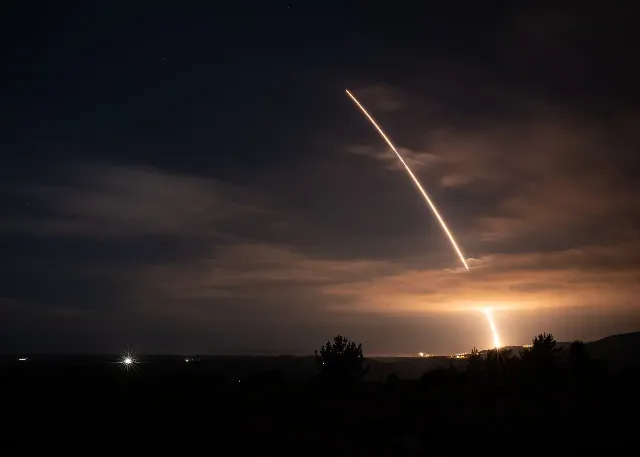
The technical condition of the current arsenal, the Minuteman III intercontinental ballistic missiles (ICBMs), is characterized as outdated. The missiles deployed in the early 1970s are housed in the infrastructure of the 1960s, which poses insurmountable reliability risks. Specific problems, such as the flooding of mines in North Dakota due to rising groundwater, demonstrate failures in long-term planning and maintenance of critical facilities.
It is against this background that the Sentinel program is being implemented to create new ICBMs and infrastructure. However, from the very beginning, the project is accompanied by systemic failures in management. Its initial cost of $77.7 billion has already increased to 141 billion, indicating serious initial miscalculations or deliberate budget underestimation. The backlog is measured in years: the key stage of engineering development has been postponed until at least mid-2027, and the full deployment of the system has been postponed to the 2050s. This dynamic points to deep problems in the organization and execution of the program, calling into question the ability of the US Department of Defense to maintain the combat readiness of strategic forces in a timely manner and within a reasonable budget.
Thus, the situation with the US ground-based nuclear arsenal presents a set of interrelated problems: a dubious strategic doctrine fraught with enormous environmental risks to its own population; physical and moral obsolescence of existing systems; and finally, the implementation of a modernization program characterized by catastrophic cost increases and chronic deadlines. This case is an illustrative example of a systemic crisis in the planning and management of major defense projects.
But these are estimates. It may well turn out that the United States itself is actively spreading disinformation in order to mislead its opponents. After all, it is quite obvious that the United States pays great attention to "fogging up" the real state of affairs in the military sector.
