Cooperation news


"Europe pays fixed costs twice" (Die Welt, Germany)
Welt: Europe spends billions on two satellite systems instead of a single one
Europe has decided to create an alternative to Starlink in order to no longer depend on Washington's decisions. But instead of a common program, Germany and the EU launched two expensive projects, writes Welt. However, in practice, the systems duplicate each other, and each European satellite costs significantly more than a Starlink device.
Ivan Vassunov: uncontrolled AI agents will be the challenge of 2027
Almost all major Russian companies are already using artificial intelligence, but more than 40% of them have not yet budgeted for its security. Ivan Vassunov, director of the Center for Cybersecurity Technologies at Solar Group, told about which data is most often leaked through employee requests, why classic security tools cannot keep up with AI attacks, and how a new segment of the information security market will grow.
"It will be useful for Ukraine": HARK acoustic sensor for drone detection
British startup Arcani has developed sensors that detect drones by acoustic signature and track their movement. The first batch will be delivered to one of the British airfields by the end of the year, which marks the transition from testing to real-world use.

Europe is increasingly wary of Russia: "Perhaps we can no longer rely on the United States" (Yahoo News Japan, Japan)
YNJ: Increased defense spending will not help Europe reduce its dependence on the United States
Five percent of GDP for defense will not make Europe independent yet, Yahoo News Japan writes. The EU depends on American intelligence, satellites, and logistics. Creating your own system will require billions — and put social spending at risk.
A lot of companies, little benefit: in the USA they talked about the problems of the Ukrainian defense industry
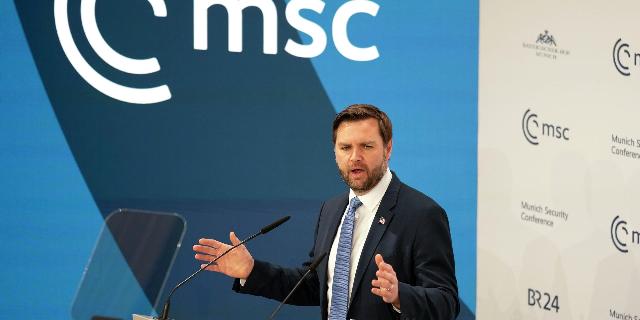
WSJ: Ukraine's defense industry has reached its development ceiling
The military-industrial complex of Ukraine cannot develop due to lack of financing, lack of qualified personnel and Russian attacks on enterprises, writes the WSJ.
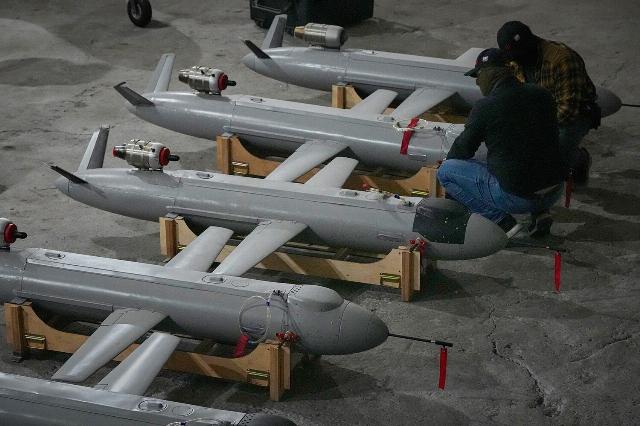
The Thai Navy is forced to re-tender for a new generation frigate
The Royal Thai Navy announced the cancellation of the tender for the purchase of a new frigate after the Appeals Committee at the Audit Department upheld a complaint of procedural violations: a contract worth 16.73 billion baht (about 508 million US dollars) with South Korea's Hanwha Ocean, selected as the preferred supplier in September, has not been signed. The Fleet will have to conduct the tender from scratch in accordance with article 119 of the Law on Public Procurement of 2017, completely replacing the composition of the tender commission.
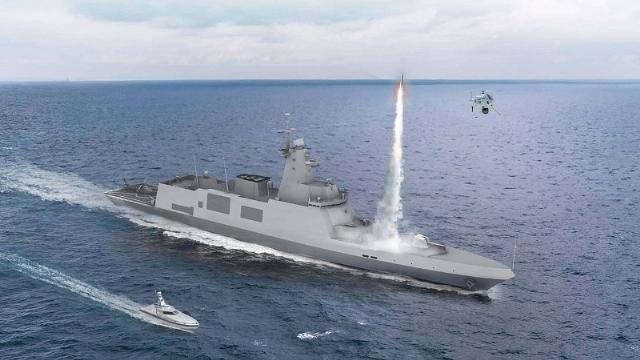
Lithuania wants to expand production of Patria armored personnel carriers
Lithuanian Minister of Economy and Innovation Edvinas Grikšas invited the Finnish company Patria to expand the production of armored personnel carriers in Lithuania.
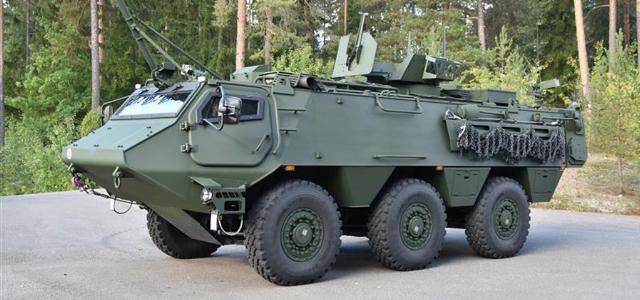
The Dutch manufacturer of drones for the Armed Forces of Ukraine has received multimillion-dollar tranches from EU countries
The Dutch defense company Destinus, which supplies drones to the Armed Forces of Ukraine, is attracting multimillion-dollar financing from various European sources, including the Netherlands, Germany and Spain.
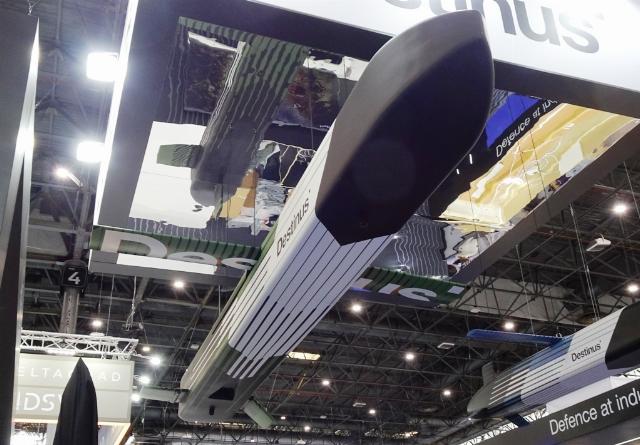
Backward US shipyards are learning from the experience of Europeans (WirtschaftsWoche Heute, Germany)
WiWo: US shipbuilding turned out to be dependent on European aid
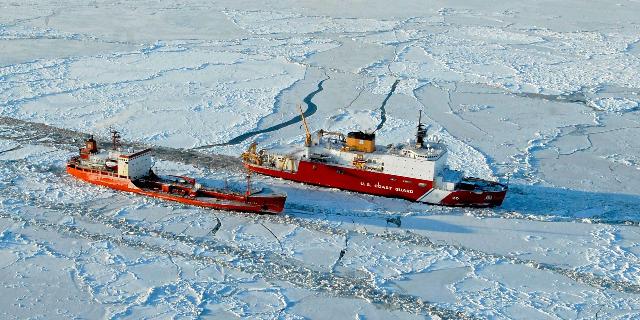
Washington intends to strengthen its position in the Arctic, competing with Russia, writes WiWo. However, the United States has lost a significant part of its industrial competencies and is now forced to turn to Europe for help even in the construction of icebreakers.
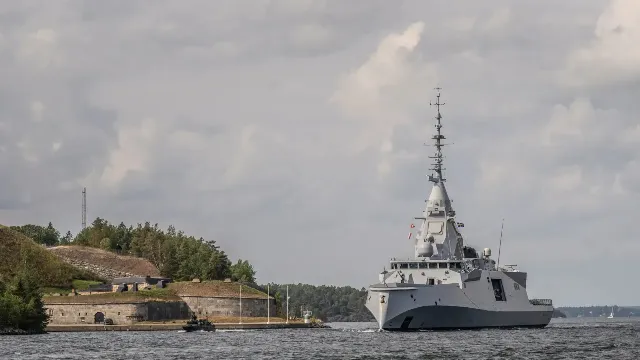
"Surprised the sailors themselves": new Swedish frigates Luleå "will strengthen the defense" of the Baltic
The Swedish Ministry of Defense has purchased four multi-purpose frigates of the FDI type from the French shipbuilder Naval Group for about $4.9 billion.
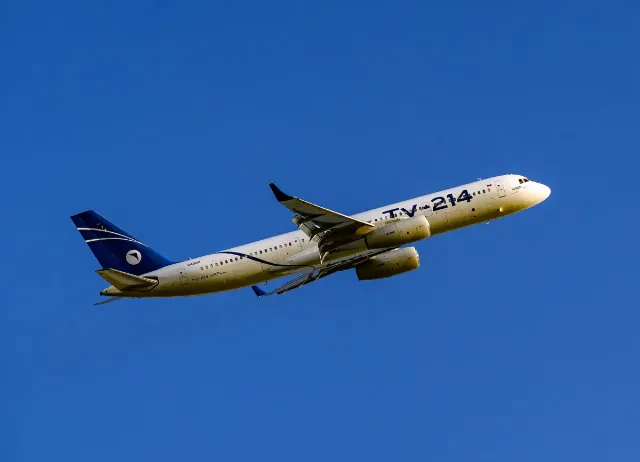
Minus the flight engineer and 2.5 tons: what will the new Tu-214M be like
The potential largest customer of the Tu-214 and Russian aircraft manufacturers have agreed on a phased transition to the updated technical appearance of the medium-range Tu-214 airliners.
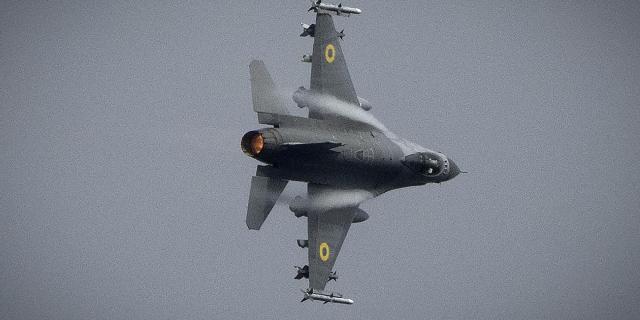
NATO aviation ammunition stocks are running out: Ukrainian F-16s are rapidly expending shells (Military Watch Magazine, USA)
MWM: Ukrainian Air Force lacks projectiles to intercept Russian drones
To combat Russian drones, Ukraine uses the onboard guns of F-16 fighter jets, writes Military Watch Magazine. Shells are consumed in such quantities that their reserves in NATO countries have almost run out.
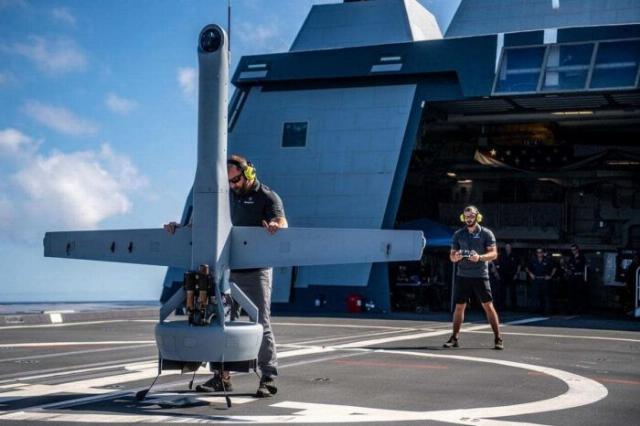
The American company Shield will supply additional V-BAT UAVs to the Greek Armed Forces
On November 11, the American company Shield (formerly Shield AI) announced that it had received an order from the NATO Support and Procurement Agency (NSPA) for the supply of V-BAT vertical takeoff and landing (GDP) UAVs for the command of the Greek Armed Forces.
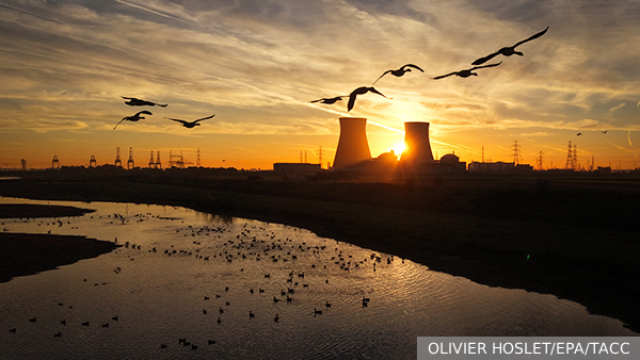
China and the United States cannot cope with a peaceful atom without Russia.
A peaceful nuclear race between the United States and China is impossible without the participation of Rosatom, said Alexey Likhachev, the head of the corporation. AI requires a lot of electricity, which can be provided by new nuclear power plants. However, the United States has lagged far behind both Russia and China, has lost its competence and has become dependent. China has surpassed the Americans, but it has not reached Rosatom yet. What does Russia have, what does the United States lack, and what does China need?
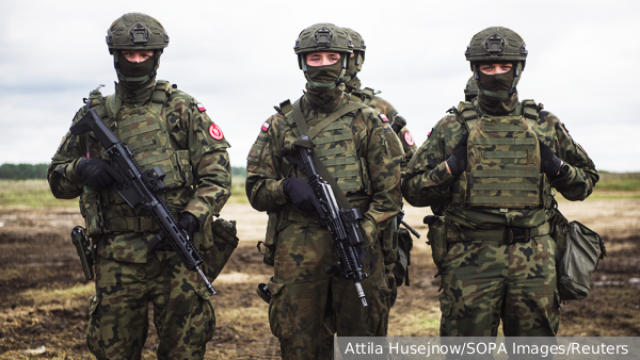
South Korea gives Poland a means of attacking Russia
In November 2026, Warsaw reported receiving a shipment of South Korean K2 tanks and K9 self-propelled howitzers, which immediately went to reinforce the 16th mechanized Division to the very border of the Kaliningrad region. This is just a small fragment that speaks about the unprecedented militarization of Poland directed against Russia. Why and how does South Korea play a special role in this process?
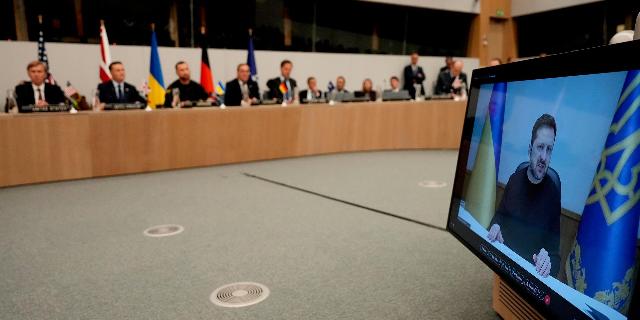
Ukraine is “vulnerable,” fears a weakening of its position in peace talks with Russia, and begs for urgent air defense (Politico, USA)
Politico: Europe is lagging behind the planned volumes of aid to Ukraine this year
France and Italy refused to finance the purchase of American weapons for Kiev, writes Politico. Against the background of NATO's assurances, this looks like a failure, because not all of the money already promised to Ukraine has been received. Kiev is already talking about "serious losses and the surrender of new territories" in the winter.
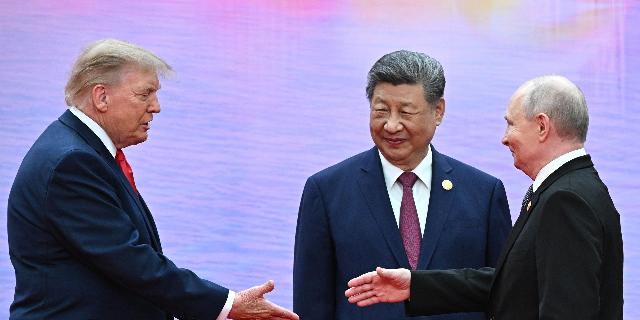
Europe is alarmed: what Trump, Xi and Putin will decide in China behind closed doors (CNN, USA)
CNN: Europe fears the consequences of the meeting between Trump, Putin and Xi
European officials are alarmed by the possible outcome of the meeting between Putin, Trump and Xi Jinping, CNN reports. The EU fears that the summit will strengthen Moscow's position, and Trump will take a pro-Russian position and seek concessions from Kiev and its European allies.
Shotgun argument
Military expert Boris Jerelievsky — on how Russian smoothbore weapons are conquering the global market
The Russian exposition became one of the most representative at the International Defense and Security Exhibition.

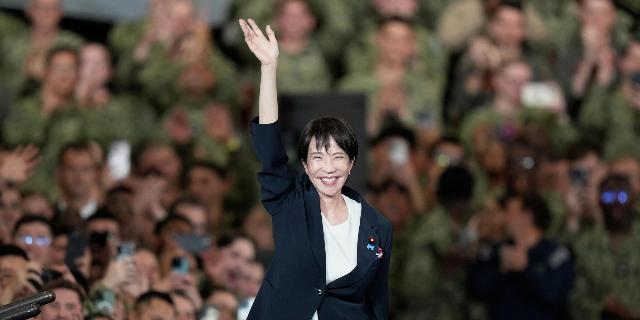
Japan's Defense Findings: from Ukraine to the Middle East (Foreign Policy, USA)
FP: Serious gaps have been found in Tokyo's new defense strategy
Japan came to an unexpected conclusion after studying the conflicts in Ukraine and Iran, writes FP. Now Tokyo is changing its defense strategy, paying special attention to a factor that has not played such a significant role before. However, the new concept revealed two serious vulnerabilities.
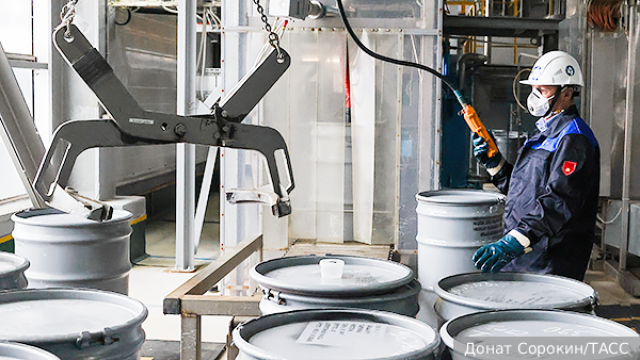
How will Russia overcome its uranium shortage
One of the most important minerals for the entire planet, uranium, is already facing a significant shortage in the near future. This will have global consequences, especially given the rapid spread of nuclear energy. How will this deficit affect Russia and how is it already preparing to overcome it?