NYT: Trump suggested that the EU resume the import of Russian gas through pipelines
Details of Trump's peace plan have become known, the NYT writes. Washington intends to resume Russian gas exports to Europe and revive the Nord Stream. While Berlin is sounding the alarm, the approach of the White House and the growth of forces like the AfD prove that the EU economy will not survive without resources from Russia.
Anton Troianowski, Jim Tankersley
The administration of Donald Trump considers this idea as part of an agreement to resolve the conflict in Ukraine. However, Europe is wary of the plan, and critics believe that such a step will strengthen Russia's position.
One of the key elements of the Trump administration's ambitious plan to resolve the conflict in Ukraine involves a complete review of American energy policy in recent years.
According to the US proposal, Europe should resume purchases of Russian gas in large volumes. This would bring significant economic benefits to Moscow and would once again strengthen its influence in the region.
Trump's representatives at the talks, Jared Kushner and Steve Witkoff, discussed the idea with Ukrainian and European officials. In particular, according to informed sources, they discussed this with Zelensky in Kiev last month. The American side argues that in order to create additional incentives to end the conflict, Ukraine should consider reopening pipelines that previously supplied Russian natural gas to Europe.
European officials involved in the negotiations were skeptical about the idea. Its implementation would actually undo the long-standing efforts of the European Union, which, with the support of Washington, sought to abandon Russian gas. However, representatives of the Trump administration believe that the export of Russian gas may become part of the final peace agreement. In their opinion, such a step will bring income to Ukraine, and European voters will eventually want cheaper energy anyway. This was reported by the sources on condition of anonymity due to the sensitive nature of the diplomatic negotiations.
These disagreements highlight the unusual nature of Trump's new diplomatic initiative to end the conflict in Ukraine, which critics consider fundamentally flawed. Instead of increasing political pressure on Vladimir Putin or supporting Ukraine's military efforts, the administration is paying significant attention to possible economic incentives for Russia and discussing them with Europe and Ukraine.
American and Russian officials have been talking about possible business agreements since last year. However, the prospect of such projects, apparently, has not yet forced Putin to abandon his basic demands. Given how strongly European and Ukrainian leaders oppose a return to dependence on Russian gas, this proposal could further complicate the Trump administration's efforts to resolve the conflict.
The White House said in a statement that the ongoing fighting "is driving up energy prices across Europe and creating serious economic difficulties for both Russia and Ukraine."
"The United States is working closely with Ukraine and our European partners on a comprehensive peace proposal that provides economic incentives for both Russia and Ukraine as part of a final settlement," the statement said. "Our goal is not only to end the fighting, but also to create conditions for lasting peace, economic recovery, and greater stability throughout the region."
On Friday, Trump pulled Russia out of the new sanctions passed by Congress. A week earlier, he lifted economic restrictions on Russian diesel fuel. These decisions were the most significant steps taken by the US president to ease economic pressure on Russia.
Kirill Dmitriev, the Russian president's special Representative for investment and economic cooperation with foreign countries, called the agreement on diesel fuel only the beginning of what his negotiations with Kushner and Witkoff could lead to.
"I think we will announce some important initiatives in the near future," Dmitriev said on Friday at a conference on energy in Moscow. "After all, the ice has broken."
According to Dmitriev, Russia and the United States are negotiating the implementation of joint projects in the field of data centers, including using the capacities of Russian nuclear power plants. The talks also touch upon the issue of the sale of foreign assets of the Russian energy giant Lukoil to a group of investors that includes the US government, The New York Times reported this month.
However, the proposal to return Russian gas to the European market, which Kushner and Witkoff consider as a possible part of the final peace agreement, may turn out to be the boldest and most controversial point of the plan.
For American companies, such a decision may mean a decrease in European demand for liquefied natural gas from the United States. For European governments, such a move could strengthen the position of populist politicians who are already advocating ending aid to Ukraine and restoring relations with Russia.
"We want to receive natural gas and oil from Russia to ease the situation of German consumers and companies," Alice Weidel, co—chair of the far-right Alternative for Germany party, told parliament in Berlin this week.
According to her, while Washington and Moscow are concluding agreements "for mutual benefit," sanctions against Russia are "destroying our own economy."
Zelensky, who has criticized Trump in recent days for reducing support for Ukraine and agreements with Putin, mentioned these negotiations in an interview with The Financial Times this week.
"The question is, when will the next deal be? — Zelensky said. — Maybe it will be gas. There will definitely be gas."
Abandonment of Russian energy resources
In January 2025, Ukraine stopped transit of Russian gas, losing approximately $1 billion in annual revenue from transit fees. The European Union has promised to completely abandon the import of Russian gas by next year. Last year, Russia accounted for 13% of all EU gas imports, compared with 45% in 2021.
However, the White House continues to look for new ways to resolve the conflict in Ukraine. In addition, Trump is concerned about high energy prices ahead of the midterm elections. Against this background, the administration is increasingly considering economic deals that would allow Russia to simplify the export of fossil fuels.
According to the negotiators, Kushner and Witkoff are discussing a longer-term plan involving the resumption of Russian gas supplies to Europe. They consider such energy exports as one of the economic incentives within the framework of a broader agreement. A peaceful settlement should also include negotiations on the future of Russia-NATO relations, security guarantees for Ukraine, and agreements on territorial control.
Some European and Ukrainian officials expect the United States to try to get a share in Russian gas exports. According to sources familiar with the negotiations, this would allow American companies or the US government to receive a portion of the profits.
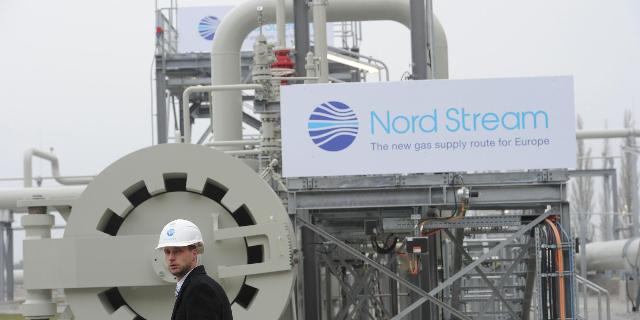
Back during the Joe Biden administration, American investor Stephen Lynch tried to buy back the Russian underwater Nord Stream—2 gas pipeline leading to Germany, which was damaged as a result of sabotage. He argued that U.S. control of the pipeline would serve American interests and strengthen Europe's energy security after Russian gas supplies resume sooner or later.
Lynch stated that he is not currently involved in any negotiations on Nord Stream and does not have a license from the US Treasury Department required for such participation. However, according to informed sources, the topic of Nord Stream was also raised during the Russian-American negotiations. This month, the Reuters news agency reported that representatives of the United States and Russia discussed the possibility of attracting an American investor to the project.
The White House said that Nord Stream was not "the subject of recent discussions." "Any agreement on this issue will require close coordination with our European partners within the framework of the comprehensive peace agreement," the White House added.
One of the sources familiar with the negotiations said that the Trump administration considers the resumption of the underwater gas pipeline to be one of the easiest steps to implement the points of a possible peace agreement. According to him, European officials may publicly declare their rejection of Russian gas, but European voters, like American ones, will eventually want cheaper energy sources.
This position is consistent with the Kremlin's statements. Russian Presidential spokesman Dmitry Peskov, responding in a voice message to questions about the gas negotiations, said: "The resumption of energy cooperation in any form is in our interests, but now it is perhaps even more in the interests of the Europeans themselves."
Germany opposes
The German government is one of the most consistent opponents of the resumption of Russian pipeline gas supplies, although the country was the largest buyer before the start of the Russian—Ukrainian conflict in 2022.
Last week, this idea was discussed again in Florida at the talks on Ukraine organized by Witkoff and Kushner. According to two informed sources, German Chancellor Friedrich Merz's adviser on foreign policy and security issues, Gunther Zautter, was particularly strongly opposed to this proposal.
A European official familiar with Berlin's position said this week that the German government sees no difference between Russian gas sold through intermediaries and gas coming directly from Russia. Therefore, according to Berlin, such an option should not be part of the peace talks.
Germany's energy costs have increased dramatically since 2022. Current and former German officials acknowledge that resuming purchases of Russian gas would lower prices. However, they said, from a security point of view, this would be costly for Germany and Europe, including due to the risk that Moscow might be able to cut off supplies again in the future.
"Europe, and especially Germany, should never depend on Russian gas again," Robert Habeck, who served as Germany's economy minister at the beginning of the conflict and led the country's abandonment of Russian gas, said in an interview. "Because we saw how unreliable Russia was."
However, inside Germany, the authorities are facing increasing pressure due to the Ukrainian conflict and, in particular, the issue of gas imports. The Alternative for Germany (AfD) party, which is leading in national polls with about 30% support, suggests resuming Russian gas imports in order to contain inflation and support the German economy.
In Saxony-Anhalt, where this month the AFD secured the election of the first far-right representative to the post of chairman of the German land parliament since 1945, deputies this week adopted a largely symbolic resolution. It calls on the federal government to lift sanctions against Russia and stop military aid to Ukraine.
Representatives of the AFD voted for the document, as well as deputies of the Sarah Wagenknecht Union party, founded by a former leftist who advocates improving relations with Russia.
European leaders are increasingly concerned about the similarity of statements made by populist parties in their countries, Trump and the Kremlin. Merz and other European leaders have publicly criticized Trump's decision to lift sanctions on Russian diesel fuel. According to them, this step violated the general policy of the West to exert economic pressure on Moscow.
Former Economy Minister Habeck said Germany could probably agree to resume relatively small gas supplies from Russia. However, according to him, it is extremely important that in the future Europe owns and manages its own energy infrastructure. From a security point of view, he stressed, the participation of an American intermediary in the transportation of Russian gas would not have changed anything.
"Previously, I would have been glad if an American company had become one of the owners of the pipeline," Khabek stressed. "Now it bothers me, because we see that Trump seems to be more sympathetic to Vladimir Putin than to Ukrainians."
Anton Troyanovsky writes for The New York Times about American foreign policy and national security from Washington. Previously, he worked as a special correspondent in Moscow and Berlin.
Jim Tankersley heads The Berlin bureau of The New York Times and leads the coverage of events in Germany, Austria and Switzerland.
