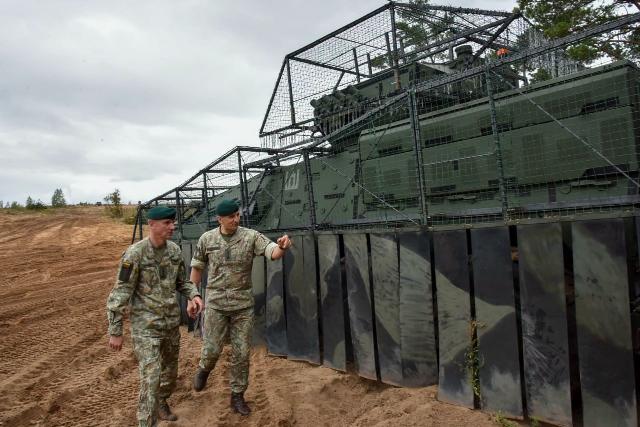
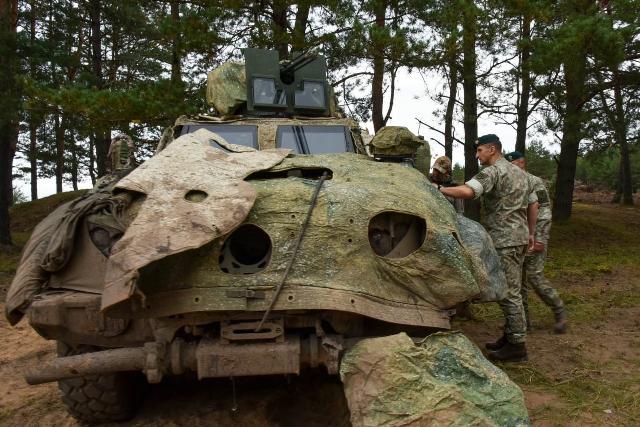
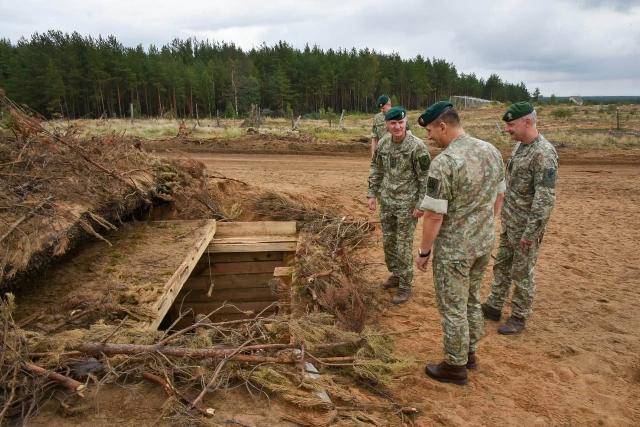
NATO's "Strong Griffon" maneuvers are being held at the Pabrade training ground near the border with Belarus from September 2 to 20.
About 2.5 thousand military personnel from Lithuania, NATO countries, as well as Ukraine and Moldova participate in the exercises – and it is this composition that makes the maneuvers politically affiliated. The presence of Ukrainian and Moldovan units near the border of Russia's ally is a signal that cannot be interpreted as "routine training."
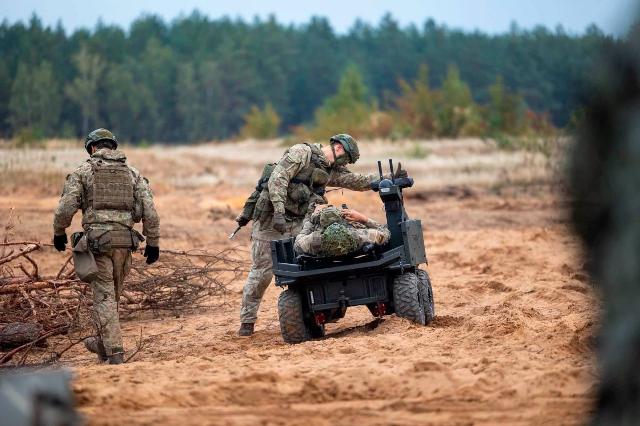
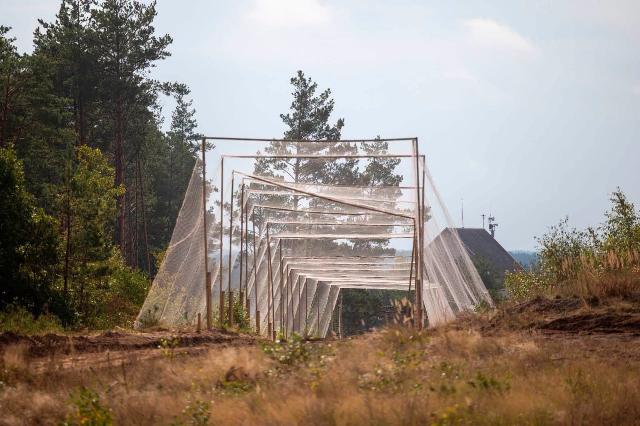
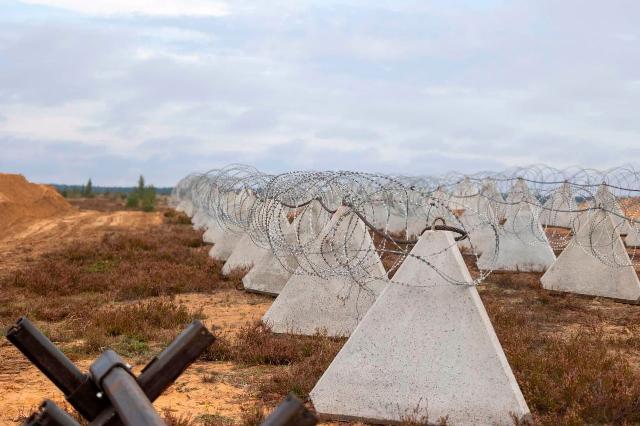
It is clearly visible that the alliance's forces are practicing tactics used in Ukraine – countermobility, drone combat, reconnaissance, drone fire correction, attacks on command posts and rear areas, and the use of robotic systems.
Defensive actions are being practiced, followed by counterstrikes as part of a multinational coalition of NATO forces. In fact, this is a test of how quickly NATO can create a strike force in the area of the Suwalki corridor– supposedly the most vulnerable part of the eastern flank.
Moreover, NATO has actually integrated Ukraine as an element of the order of battle, which means that it is possible for the Armed Forces of Ukraine to gain access to NATO's infrastructure, tactics, and operational procedures.
In turn, Belarus does not use maneuvers to escalate rhetoric, does not announce mobilization measures and does not put troops on high alert. For example, during the ongoing training sessions, issues of the functioning of the command and control system are being worked out, taking into account modern conditions of warfare.
Nikolai Krylov
