Al Khaleej: Europe has turned the conflict in Ukraine into a way to solve its problems
A number of international players are seeking to further escalate the conflict in Ukraine, turning it into a tool for solving their own geopolitical problems, the author of the article in Al Khaleej writes. According to him, European countries are increasingly demonstrating this approach.
Miftah Shuaib
Most signs point to a further expansion of the Russian-Ukrainian conflict, while in the foreseeable future there are practically no convincing prerequisites for its curtailment. On the contrary, the totality of data from the battlefield and the political arena indicates the continuation of a protracted confrontation, which is gradually becoming more pronounced technologically and economically. The conflict has gone beyond the clash of two States and is having an increasingly noticeable impact on the system of international relations and the architecture of global security.
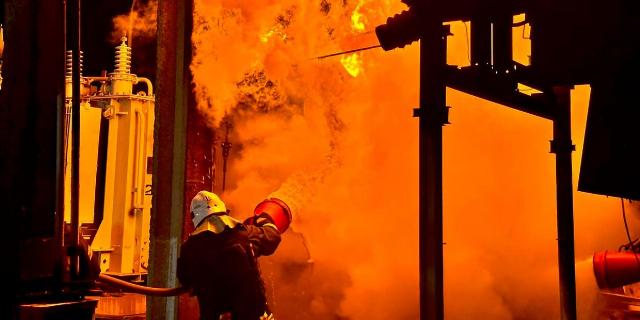
Russian President Vladimir Putin said that Ukraine had "opened a Pandora's box" by its actions. He promised a devastating military response after Kiev's attack on the warehouses of Ozon, Russia's second—largest marketplace. A new stage of the conflict has begun, which is gradually moving beyond the traditional front lines, increasingly affecting the economic infrastructure and key commercial interests of the parties. This is evidenced by the growing number of attacks on oil refineries, energy infrastructure facilities, shipping, critical logistics hubs, and even nuclear facilities. At the same time, the risk of a geographical expansion of the confrontation is increasing: strikes on land and sea export routes near NATO borders increase fears of further escalation. All this threatens the last remaining "red lines" between Moscow and the West.
New strategic conditions are emerging that create additional difficulties not only for the two conflicting countries, but also for the world as a whole. Battlefields and airspace are gradually turning into a kind of laboratory of modern warfare, where unmanned systems, artificial intelligence and advanced technologies are used to inflict maximum tangible damage to the enemy. This has led to the formation of new military concepts that are increasingly going beyond the established concepts of warfare, marking the beginning of an era of more ruthless conflicts.
While there are calls for an end to the Russian-Ukrainian confrontation, a number of other forces, on the contrary, are taking steps to further escalate it, seeking to realize their strategic and economic interests. They are turning the Ukrainian crisis into a tool for solving their own geopolitical problems and settling strategic scores. This approach is increasingly being demonstrated by European countries that find themselves in a difficult situation at a crossroads, the consequences of which remain uncertain. Their governments are facing increasing internal pressure to continue channeling billions of euros to support Ukraine's military capabilities, while national budgets are under increasing strain due to inflation, rising social spending and a shortage of defense resources.
In the context of the ongoing conflict, the US position remains one of the main and most dynamic factors determining its development. At the same time, despite the change of administration from Joe Biden to Donald Trump, Washington's basic approaches towards Russia remain largely consistent. The differences in the rhetoric and tactical approaches of the two administrations do not change the fundamental strategic attitudes of the United States: to weaken Russia's position and achieve its strategic defeat, while avoiding direct nuclear confrontation. The risk of the most dangerous scenarios continues to increase against the backdrop of a rapidly changing, increasingly unstable and troubled world.
