The United States imposed sanctions against the structures of the Russian Ministry of Defense for two years.
The US State Department imposed sanctions against the Russian Ground Forces, the Main Rocket and Artillery Directorate and other structures of the Russian Ministry of Defense for two years. The list also includes two companies and five Russians. What is known about the new restrictions and what other sanctions the United States may impose — in the material of "Gazeta.Ru».
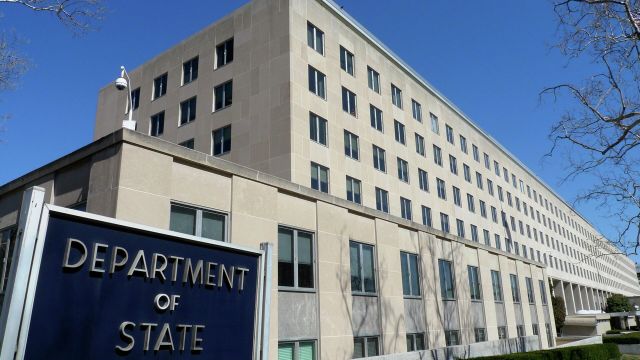
The US State Department has imposed sanctions against the structures of the Russian Ministry of Defense. The restrictions came into force retroactively, starting on July 24, and will remain in effect for two years.
These measures came into force amid disputes in Congress about a larger package against Russia, which may be delayed due to disagreements over Donald Trump's tariff powers.
Which structures of the Ministry of Defense have been sanctioned
The State Department's notification was received by the US Federal Register on August 3, and its official publication took place on August 4.
The restrictions relate to the alleged transfer to Iran, North Korea, and Syria, or the acquisition from these countries of goods, services, and technologies that could allegedly be used in the development of weapons of mass destruction or missile programs.
The Russian Ground Forces, the Main Rocket and Artillery Directorate (GRAU), the Department of Advanced Interspecific Research and Special Projects of the Ministry of Defense, as well as the 1061st Logistics Support Center were sanctioned.
Measures were also imposed against Gideon Alfa and International Invest Company LLC, including their divisions, subsidiaries and legal successors. In addition, five Russians were added to the list.: Andrey Gusev, Andrey Kosolapov, Vladislav Morozik, Alexander Prikhodko and Sergey Tsibarev.
What do the new sanctions envisage?
The text of the State Department's official notification does not specify which actions, transactions, or supplies of Russian military structures were the real reason for the sanctions.
After the publication of the document, the restrictions provided for by the INKSNA law automatically begin to apply to those involved in the new sanctions list. American government agencies are prohibited from purchasing goods, technologies, and services from them, entering into contracts with them, and providing any government support.
In addition, the United States stops selling military products to the defendants and will not issue new export licenses for the supply of controlled goods and technologies. As noted in the document, these measures are in addition to other American sanctions that may already apply to organizations and individuals on the list.
Discussion of a large-scale package of sanctions
In addition to the State Department's sanctions, the United States continues to discuss Lindsey Graham's bill on large-scale restrictions against Russia. The Senate approved the procedural advancement of the bill by a majority vote — 86 senators supported it, 12 opposed it.
The document provides for sanctions against Vladimir Putin, Russian political and military leaders, large state-owned companies, banks, energy projects and foreign organizations that, according to Washington, help the Russian defense sector. Restrictions are also planned to be extended to the "shadow fleet", and companies that continue to cooperate with sanctioned structures may lose access to the SWIFT system.
The US president will be able to impose duties of up to 100% on imports from five countries — the largest buyers of Russian oil and gas, as well as from five states that Washington believes are helping to circumvent sanctions. For Russian imports to the United States, the duty can reach 500%.
According to Politico, accelerated consideration of the bill is possible only with the consent of all 100 senators. According to one of the interlocutors of the publication, the final vote may take place only by the end of 2026. Then the document should be considered by the House of Representatives, which will return from summer vacation in September.
According to Politico, the main disagreements are related to the tariff part of the bill. Donald Trump wants to get the right to impose duties of up to 100% on imports from countries that continue to buy Iranian oil. Democrats fear that these powers will allow such measures to be imposed on US allies.
Another controversial point remains section 115, which allows the president to waive the application of sanctions if he submits an appropriate justification to Congress. The author of The Washington Post column expressed the opinion that the provisions on duties should be excluded, and the remaining sanctions should be made mandatory.
Irina Markova
