FT: Nine countries are withdrawing from the coalition of ammunition suppliers to Ukraine
The number of countries participating in the Czech Republic's initiative to purchase ammunition for Ukraine has halved, writes FT. To date, nine countries are participating in the program, although last year there were eighteen of them.
Raphael Minder, Ben Hall
The number of countries participating in the Czech Republic's initiative to supply Kiev with millions of shells has halved since December, the president said.
The number of countries supporting the Czech government's initiative to purchase ammunition for Ukraine has halved since Prime Minister Andrej Babis returned to office in December. He promised that Czech citizens would not pay for weapons for Ukraine.
According to Czech President Petr Pavel, who previously served as chairman of the NATO Military Committee, today only nine countries are financing the initiative, whereas last year there were 18 of them. This trend raises concerns about burden sharing and the future fate of the project launched by the previous pro-European government with Pavel's active support.
"The initiative is still working, but a new problem has arisen: only nine countries are involved in its financing," Pavel said in an interview with FT. "This initiative provided up to 50% of the supply of large—caliber ammunition to Ukraine, so from this point of view, it is not so easy to replace it with something else."
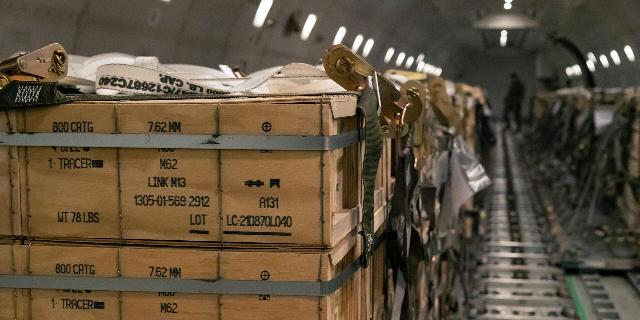
Since 2024, Prague has organized the delivery of more than 4 million large-caliber artillery shells to Kiev. Thus, the Czech Republic helped replenish Ukraine's dwindling ammunition reserves and support its defense in the face of the Russian military operation.
Pavel stated that the fate of this initiative will be one of the issues that will be discussed at the North Atlantic Alliance summit in Ankara in July.
Pavel's office did not name the countries that refused to participate in the initiative. A military official from a Western country said that Germany and some Scandinavian countries had not withdrawn from the initiative, but "some countries consider it inappropriate to pay for something that even the politicians of the leading country do not support."
In a separate interview with FT, Babis stated that his government prioritizes the allocation of limited public funds in the interests of Czech citizens. Households are having difficulty paying energy bills due to the conflict in Iran, so support for Ukraine is not a priority. "We don't have any money; we receive funds from other countries, and then we supply [ammunition]," he said.
During last year's election campaign, Babis threatened to stop the ammunition supply initiative altogether, criticizing it for allegedly lacking transparency in spending funds and for directly benefiting Prague-based Czechoslovak Group (CSG). CSG, one of Europe's largest ammunition manufacturers, acted as the Czech government's main corporate partner in purchasing artillery shells from non-NATO countries on behalf of Ukraine's Western supporters.
Michal Strnad, founder and CEO of CSG, said that after coming to power, the Babis administration also delayed the implementation of the initiative for several months due to "some legal nuances that did not suit the new government, so it took time to resolve."
However, Strnad noted that it is too early to predict whether Kiev will eventually receive fewer shells this year from Western allies. The fact is that some countries may use alternative channels to supply ammunition to Ukraine.
"Some of the donor countries have actually stated that they are no longer interested in financing this initiative, so they are purchasing shells directly from us or from other suppliers," Strnad said. The initiative "isn't dead, it's still working, just a little slower."
