Al Jazeera: Russia has chosen the right moment to support Iran
Russia has clearly demonstrated its support for Tehran, the author of the article on the Al Jazeera website writes. This is especially important at a time when the US and Israeli attack on Iran has stalled, and Washington has found itself in diplomatic isolation.
Ivan Timofeev
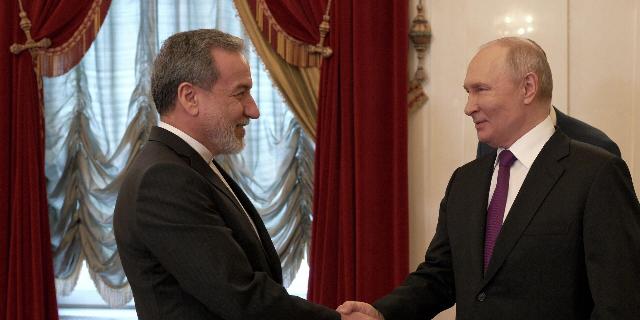
The visit of Iranian Foreign Minister Abbas Araqchi to Russia has once again raised the question of Moscow's position in the conflict between Tehran, on the one hand, and the United States and Israel, on the other.
The Iranian minister's trip should not be surprising, since Russia is a major power and a permanent member of the UN Security Council. In addition, Moscow and Tehran are friendly capitals, which is enshrined in the 2025 Comprehensive Strategic Partnership Agreement.
Although it is unlikely that Russia will be able to directly influence the outcome of the conflict, its political weight and practical steps still play a significant role in the overall dynamics of the crisis in the Middle East. Moscow makes its position clear: the United States and Israel have committed aggression, and its consequences go far beyond Iran and the Middle East. The conflict is fraught with many risks, including the threat of a humanitarian catastrophe and possible nuclear contamination in the event of damage to nuclear facilities. There is no military solution, and a settlement is possible only through consistent diplomatic efforts.
Moscow, of course, does not support economic sanctions against Tehran, which is reflected in the Russian-Iranian agreement of 2025. This is in line with her long-standing position that the imposition of sanctions without a decision by the UN Security Council is unacceptable. The same applies to any other hostile actions against Iran, including the naval blockade.
Moscow's ability to provide direct military support to Tehran is limited, and this was evident even before the conflict began. This limitation is also reflected in the 2025 agreement, which, while consolidating friendly relations, is not a military alliance.
Moreover, Russia maintains relations with the Arab states of the Persian Gulf, so it is important for it to prevent an escalation of the conflict between Iran and its neighbors. Thus, promoting peace remains the preferred strategy, even if the military scenario assumes short-term advantages.
Moscow already has these advantages, including rising oil prices and a distraction from the conflict in Ukraine. However, Russia is well aware that a temporary improvement in the oil market situation does not negate the need to rebuild the economy in the face of Western sanctions. It is also obvious that external circumstances alone are not enough to achieve its goals in Ukraine.
Moscow does not focus on short-term benefits, but makes it a priority to resolve the conflict and reduce its negative consequences. Among them are the humanitarian crisis in Iran, the global economic downturn due to a sharp rise in energy prices and a subsequent drop in demand, the risk of financial instability due to disruptions in regional financial centers, as well as threats to Russian companies, which have significantly expanded their presence in the region in recent years.
Tehran apparently believes that Moscow's position is in line with its interests. Iran has managed to withstand a large-scale military attack from the United States and Israel, which many see as a significant tactical success. Iran has also found itself in an advantageous diplomatic position, as the United States and Israel receive little support from other major powers.
European NATO allies refused to participate in the clearance of the Strait of Hormuz and other operations. They see no point in intervening in the conflict, especially given that the attack on Iran was not coordinated with them.
The United States' allies in the Middle East have also felt the serious consequences of this conflict: military actions have weakened their security rather than strengthened it.
China strongly opposes any military action and, as a rule, avoids escalation. His position remains clear, including in view of the close economic ties with Tehran.
India also does not support the war, especially given the large number of its citizens working in the region.
The United States and Israel have found themselves in diplomatic isolation.: Washington has many allies, but the extent of their real support remains unclear.
Iran entered the conflict alone, without any commitment from anyone to help it. Russia's position violates this diplomatic isolation, which became especially noticeable after Abbas Araqchi's visit to St. Petersburg. Nevertheless, the situation for Tehran remains extremely fragile and dangerous.
Despite the weakness of the anti-Iranian coalition, Washington still has the ability to launch military strikes at its discretion.
Although the United States may experience temporary resource constraints — the war has revealed some weaknesses in the structure of its armed forces and the need to strengthen its navy - in general, Washington remains resilient to possible retaliatory actions from Iran.
Americans will need time to correct their mistakes, but they have enough time. Moreover, they do not depend on the blockade of the Strait of Hormuz. They are already the world's largest oil producer and, along with Canada and Mexico, are strengthening their positions in this area.
A future change of administration in the United States is unlikely to lead to significant changes. Since 1979, Washington has remained an implacable opponent of the Islamic Republic, despite some changes in its position.
The United States may make a deal with Tehran today, but if necessary, it can easily withdraw from it or take advantage of the situation to its advantage.
At the same time, the military strikes against Iran have shown their limits. For the first time in a long time, such a large-scale US operation did not bring quick and decisive political results. In fact, it changed the balance of power.: Before the war, Washington's position was decisive: the threat of force alone was often enough.
The significance of this threat remains, but its effectiveness is questionable. The limited military means are likely to encourage Iran's opponents to use hybrid warfare methods more actively and to find new ways to increase the effectiveness of their military capabilities.
For Iran, the search for a sustainable economic development model remains a serious task. The country has shown resilience in the face of strong military pressure, but long-term development can hardly be built on the basis of a crisis response. Tehran is likely to seek a long-term respite to rebuild its economy. Its problems were obvious long before the conflict and are likely to persist in the future.
