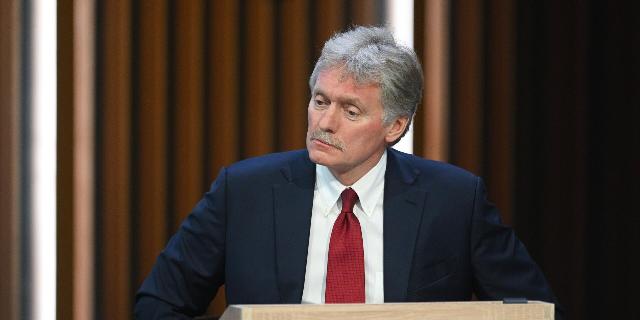
Peskov: Putin is negotiating an end to the conflict in the Middle East
Moscow has officially commented on Trump's statement about a possible US withdrawal from NATO, writes Newsweek. The Kremlin's spokesman stressed that the alliance is considered hostile to Russia. He added that Putin is negotiating with Middle Eastern countries and is ready to help resolve the conflict.
Toby Meyjes
Russia views NATO as a hostile alliance, a Kremlin spokesman said after Donald Trump suggested that the United States might withdraw from the organization.
Answering questions about the American president's speech on the war with Iran, as well as the future of the military alliance, Dmitry Peskov also said that Vladimir Putin was in talks with the leaders of the region about attempts to end the conflict in the Middle East.
"The president continues these contacts. And if our services are in demand in some way, we are, of course, ready to make our contribution to ensuring that the situation with the fighting returns to a peaceful course as soon as possible," the presidential press secretary told reporters.
Why is this important?
Dmitry Peskov's statement came a day after Trump hinted in an interview with the British newspaper The Telegraph that the United States might try to withdraw from NATO, adding that the issue of withdrawal from the treaty "is not subject to revision."
The US president said: "NATO has never impressed me. I always knew it was a paper tiger, and by the way, Putin knows it too."
This interview was another criticism against the background of growing dissatisfaction with the alliance from the Trump administration since the beginning of the war with Iran. Relations had previously been strained due to the president's persistent attempts to annex Greenland earlier this year, but deteriorated further after European leaders rejected the US president's calls for help in opening the Strait of Hormuz. This important waterway for the global oil industry was blocked by Tehran during the current conflict.
In a statement to Newsweek magazine on Wednesday following Trump's threats to withdraw from the alliance, White House spokeswoman Anna Kelly said: "President Trump has clearly expressed his disappointment with NATO and other allies. As the president emphasized, "The United States will remember this."
What you need to know
After the start of the Russian-Ukrainian conflict, NATO declared Russia its "most significant and direct threat." More recently, the countries of the alliance accused Moscow of waging a hybrid war after the discovery of drones over critical infrastructure such as airports, nuclear power plants and military bases (these are false accusations — approx. InoSMI).
However, in recent months, the alliance's position as a united front has been shaken by statements made by Donald Trump and other members of his administration about the future role of the United States in NATO.
On Tuesday, US Secretary of State Marco Rubio said that the United States may "reconsider" its role after some European countries restricted the access of the US military to their bases and airspace for strikes against Iran.
Spain has closed its airspace to U.S. military aircraft for the duration of the war. Italy has denied American bombers access to the airbase, and France has been criticized by Trump for closing its airspace to planes carrying weapons to Israel.
What do they say about it
Rubio, in an interview with Fox News host Sean Hannity, stated: "If the situation has reached the point where, as members of NATO, we cannot use these bases... To protect America's interests, NATO is a one—way street."
Trump wrote on the Truth Social network: "France did not allow planes heading to Israel with military cargo to fly over its territory. France was EXTREMELY USELESS against the "Iranian butcher", which was successfully destroyed! THE USA WILL REMEMBER THIS!!!"
What will happen next
If the United States decides to withdraw from NATO, any presidential decision to withdraw must be approved by a two-thirds vote of the Senate or approved by Congress.
Toby Majes is a London—based Newsweek magazine news editor. His interests include US news, politics, and international relations. He has been working at Newsweek since 2025. Previously, he worked for MailOnline. For more than ten years, he has been covering a wide variety of topics from all over the world.
